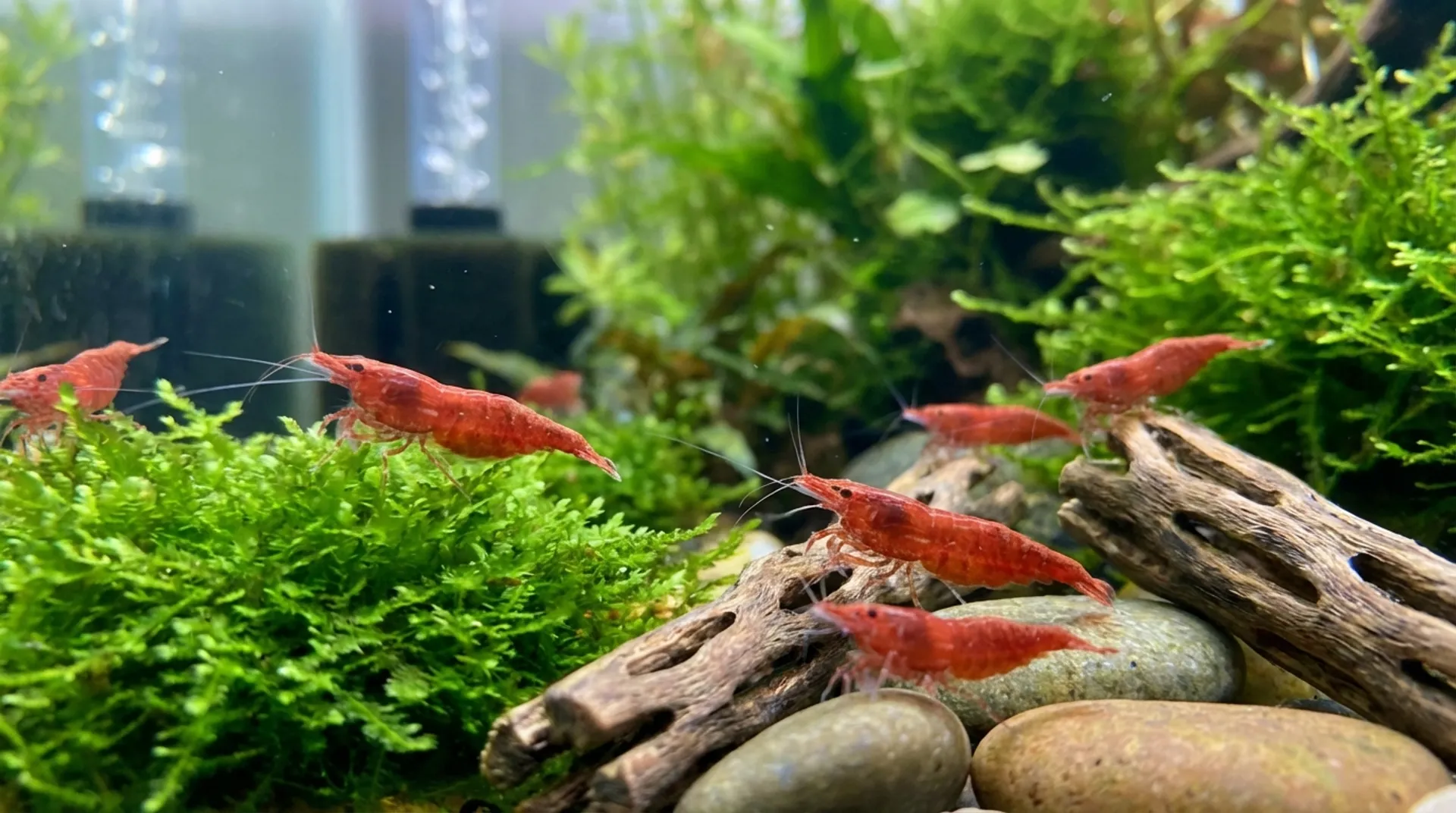
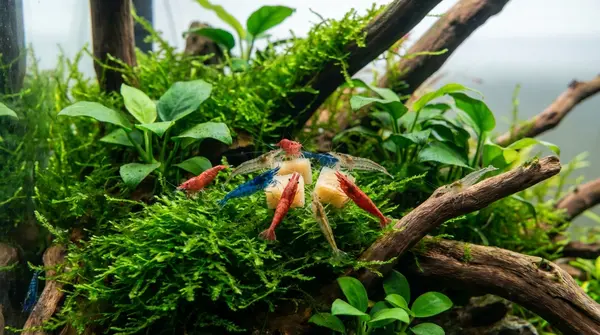
Picture yourself watching a bustling underwater city where tiny red inhabitants scurry along mossy surfaces, delicately cleaning every nook and cranny while adding splashes of vibrant color to your aquarium. This is the magic of cherry shrimp keeping – and it’s far easier to achieve than you might think.
Cherry shrimp (Neocaridina davidi) have earned their reputation as the ultimate beginner shrimp for good reason. These hardy little crustaceans forgive mistakes that would devastate other species, breed readily in stable conditions, and transform any planted tank into a dynamic ecosystem. Whether you’re completely new to the aquarium hobby or looking to add some invertebrate interest to your setup, cherry shrimp offer an perfect entry point into the fascinating world of freshwater shrimp keeping.
This comprehensive guide will walk you through everything you need to know to successfully keep cherry shrimp, from initial tank setup to watching your colony flourish and multiply.
Why Choose Cherry Shrimp?
Cherry shrimp stand out as the ideal starter species for several compelling reasons. Unlike their more demanding Caridina cousins, Neocaridina davidi tolerates a wide range of water parameters, making them forgiving for beginners still learning the ropes. They’re prolific breeders that don’t require special conditions or intervention – simply provide stable water and adequate food, and nature takes care of the rest.
These industrious cleaners earn their keep by consuming algae, biofilm, and leftover food that would otherwise decompose and pollute your water. A single adult shrimp measures about 1 inch when fully grown, with females typically larger and more colorful than their male counterparts. The vibrant red coloration intensifies with good care, creating stunning displays against green plants and dark substrates.
Essential Tank Setup Requirements
Tank Size and Equipment
Start with a minimum 5-gallon tank for a small cherry shrimp colony, though 10+ gallons provides much better stability for beginners. Larger volumes dilute waste more effectively and maintain stable parameters longer between maintenance sessions.
Filtration requires special consideration since baby shrimp (shrimplets) are incredibly small when they hatch. Use a gentle sponge filter or install a pre-filter sponge over your existing filter intake. Avoid powerheads or strong currents that can stress shrimp and make feeding difficult. Air-driven sponge filters work perfectly, providing biological filtration while creating gentle water movement.
Pro tip: Skip the heater if your room temperature stays stable between 68-75°F. Cherry shrimp adapt well to consistent temperatures and actually breed more actively in this range.
Substrate and Decor
Choose an inert substrate like fine gravel or sand that won’t alter water chemistry. Many successful keepers use a dirt-capped setup with 0.5 inches of organic potting soil topped with 1 inch of sand or fine gravel. This creates a nutrient-rich base for plants while maintaining stable parameters.
Create a shrimp paradise with plenty of hiding spots and grazing surfaces. Essential additions include:
- Java moss, Christmas moss, or other dense plants
- Cholla wood for biofilm development
- Indian almond leaves (catappa leaves) for tannins and natural food sources
- Small caves or shrimp tubes for molting security
- Driftwood for additional surface area
The Cycling Process
Never add shrimp to an uncycled tank. The nitrogen cycle must be completely established with 0 ppm ammonia and nitrites before introducing any shrimp. This typically takes 4-6 weeks, though fishless cycling with pure ammonia can speed the process.
Test your water parameters weekly during cycling, looking for the classic ammonia spike, followed by nitrite rise, then both dropping to zero as beneficial bacteria colonies establish. Only when both remain at 0 ppm for a full week should you consider adding shrimp.
Water Parameters and Chemistry
Cherry shrimp thrive across a surprisingly wide range of parameters, but stability trumps perfection every time. Sudden changes stress shrimp and can trigger failed molts or death.
Optimal Water Parameters
- Temperature: 65-85°F (18-29°C), optimal 68-75°F (20-24°C)
- pH: 6.5-8.5 (neutral to slightly alkaline)
- GH (General Hardness): 6-14 dGH (110+ ppm)
- KH (Carbonate Hardness): 2-7 dKH (40+ ppm)
- Ammonia: 0 ppm (toxic to shrimp)
- Nitrite: 0 ppm (equally toxic)
- Nitrate: Below 20-30 ppm (lower is better)
Testing and Adjustments
Test water parameters bi-weekly initially, recording results to track trends. Use quality test kits like API Master Test Kit for basic parameters, and consider a GH/KH test kit for hardness measurements.
If your water is too soft (below 6 dGH), add crushed coral to your filter or substrate to slowly increase hardness. Shrimp need adequate minerals for proper exoskeleton formation during molting. Avoid rapid parameter changes – gradual adjustments over days or weeks prevent shock.
Feeding Your Cherry Shrimp Colony
Cherry shrimp are natural grazers that spend most of their time searching for food. In established tanks, they’ll find plenty to eat from biofilm, algae, and decomposing plant matter. The key to feeding success is understanding that less is almost always more.
Primary Food Sources
Your shrimp’s diet should consist primarily (80%) of natural foods:
- Biofilm growing on all surfaces
- Algae on plants, glass, and decorations
- Decomposing plant matter
- Microorganisms in the substrate
Promote natural food sources by adding Indian almond leaves weekly and maintaining cholla wood in your tank. These items develop biofilm that shrimp absolutely love.
Supplemental Feeding
Supplement their diet with small amounts 1-2 times daily:
- For adults: Quality shrimp pellets, blanched vegetables (spinach, zucchini), algae wafers
- For shrimplets: Powdered foods like Hikari First Bites, specialized shrimp powders
- Special treats: Spirulina powder, homemade shrimp food mixes
Feed only what can be consumed in 2-3 hours, removing any leftovers to prevent water quality issues. Watch for white bacterial films forming around uneaten food – this indicates overfeeding.
Breeding and Population Management
One of cherry shrimp’s greatest appeals is their willingness to breed without special intervention. Provide stable conditions with adequate food, and you’ll soon notice berried (egg-carrying) females.
The Breeding Process
Females develop a “saddle” – visible eggs in their ovaries – when ready to mate. After molting, they release pheromones that drive males into a breeding frenzy. Successful mating results in 20-30 eggs attached under the female’s tail (pleopods).
Berried females carry eggs for approximately 30 days, with warmer temperatures (75°F+) speeding development. You’ll see the female constantly fanning her eggs to provide oxygen and prevent fungal growth.
Caring for Shrimplets
Baby shrimp hatch as miniature adults measuring just 2mm. They’re immediately independent but incredibly vulnerable to being sucked into filters or eaten by fish. This is why sponge filters and species-only tanks are crucial for breeding success.
Newborns survive on infusoria and biofilm for their first week, then gradually accept powdered foods and eventually adult diets. Population growth can be explosive under ideal conditions – expect your colony to double every few months.
Pro tip: Don’t worry about separating breeding shrimp or babies. Cherry shrimp are excellent parents that won’t harm their offspring, and the colony will naturally regulate its population based on available resources.
Compatible Tank Mates
While cherry shrimp can coexist with certain fish species, beginners achieve the best success with shrimp-only tanks. If you want to create a community setup, choose tank mates carefully and provide plenty of hiding spots.
Safe Community Options
- Snails: Nerite snails, mystery snails, ramshorn snails
- Small peaceful fish: Ember tetras, pygmy corydoras, otocinclus catfish (in 20+ gallon tanks)
- Other invertebrates: Bamboo shrimp, freshwater mussels
Species to Avoid
Most fish will eat shrimplets, even species marketed as “peaceful.” Avoid bettas, angelfish, goldfish, cichlids, and virtually any fish larger than 2 inches. Even small fish like neon tetras may prey on baby shrimp.
Common Beginner Mistakes and Solutions
The New Tank Syndrome
Adding shrimp to uncycled or newly cycled tanks is the #1 cause of beginner failures. Even after cycling completes, tanks need 1-2 months to develop stable biofilm layers and beneficial bacterial populations that shrimp depend on.
Solution: Wait 6-8 weeks after cycling before adding shrimp, allowing the ecosystem to mature.
Parameter Swings
Cherry shrimp tolerate wide parameter ranges but hate sudden changes. Rapid pH swings, temperature fluctuations, or hardness changes can trigger molting problems or death.
Solution: Make all adjustments gradually over several days. Test water before and after changes to ensure stability.
Overfeeding
Beginner enthusiasm often leads to overfeeding, which spikes ammonia and nitrites while creating bacterial blooms that cloud water.
Solution: Feed tiny amounts every other day initially, increasing frequency only as you learn your colony’s consumption rate.
Conclusion
Cherry shrimp offer an incredibly rewarding introduction to invertebrate keeping that’s accessible to aquarists of all experience levels. Their hardy nature, beautiful coloration, and fascinating behaviors make them perfect candidates for your first shrimp colony.
Remember that success with cherry shrimp comes down to three fundamentals: stable water parameters, adequate food sources, and patience during the initial establishment period. Start with a properly cycled tank, maintain consistent conditions, and resist the urge to overcomplicate things.
With proper care, your cherry shrimp colony will thrive for years, providing endless entertainment while keeping your aquarium spotlessly clean. Take your time with setup, enjoy watching their natural behaviors, and prepare to become completely addicted to the wonderful world of freshwater shrimp keeping.
Frequently Asked Questions
Cherry shrimp need a minimum of 5 gallons for a small colony, though 10+ gallons is ideal for beginners. Larger tanks provide more stable water conditions and room for population growth.
Cherry shrimp thrive in pH 6.5-8.5, GH 6-14 dGH, KH 2-7 dKH, and temperature 65-85°F (optimal 68-75°F). Stability is more important than exact numbers.
Yes, cherry shrimp are excellent for beginners due to their hardy nature, wide parameter tolerance, easy breeding, and ability to thrive in simple setups with minimal maintenance.
Feed cherry shrimp small amounts 1-2 times daily, removing uneaten food after 4-6 hours. They primarily graze on biofilm and algae, so supplemental feeding should be minimal.
Cherry shrimp can live with small, peaceful fish like ember tetras or pygmy corydoras in larger tanks with plenty of plants. However, shrimp-only tanks are recommended for beginners.
Cherry shrimp typically live 1-2 years with proper care. Females often live longer than males, and breeding colonies can sustain themselves indefinitely through reproduction.
Track Your Parameters Like a Pro
Stop guessing if your water is right. ShrimpKeeper tracks TDS, GH, KH, pH, and temperature with species-specific recommendations.
Download FreeRelated Articles
How to Acclimate Shrimp: The Complete Drip Method Guide
Master the art of shrimp acclimation with our comprehensive drip method guide. Learn how to safely introduce new shrimp to your tank and avoid common mistakes that lead to losses.
How to Acclimate Shrimp: Drip Method vs Float Method
Proper acclimation is crucial for shrimp survival. Learn when to use the drip method versus float method and follow our step-by-step guide for stress-free introductions.
How to Make Your Own Shrimp Food at Home: Complete DIY Guide
Discover how to create cost-effective, nutritious homemade shrimp food that promotes better growth and breeding. Get proven recipes and step-by-step instructions.