
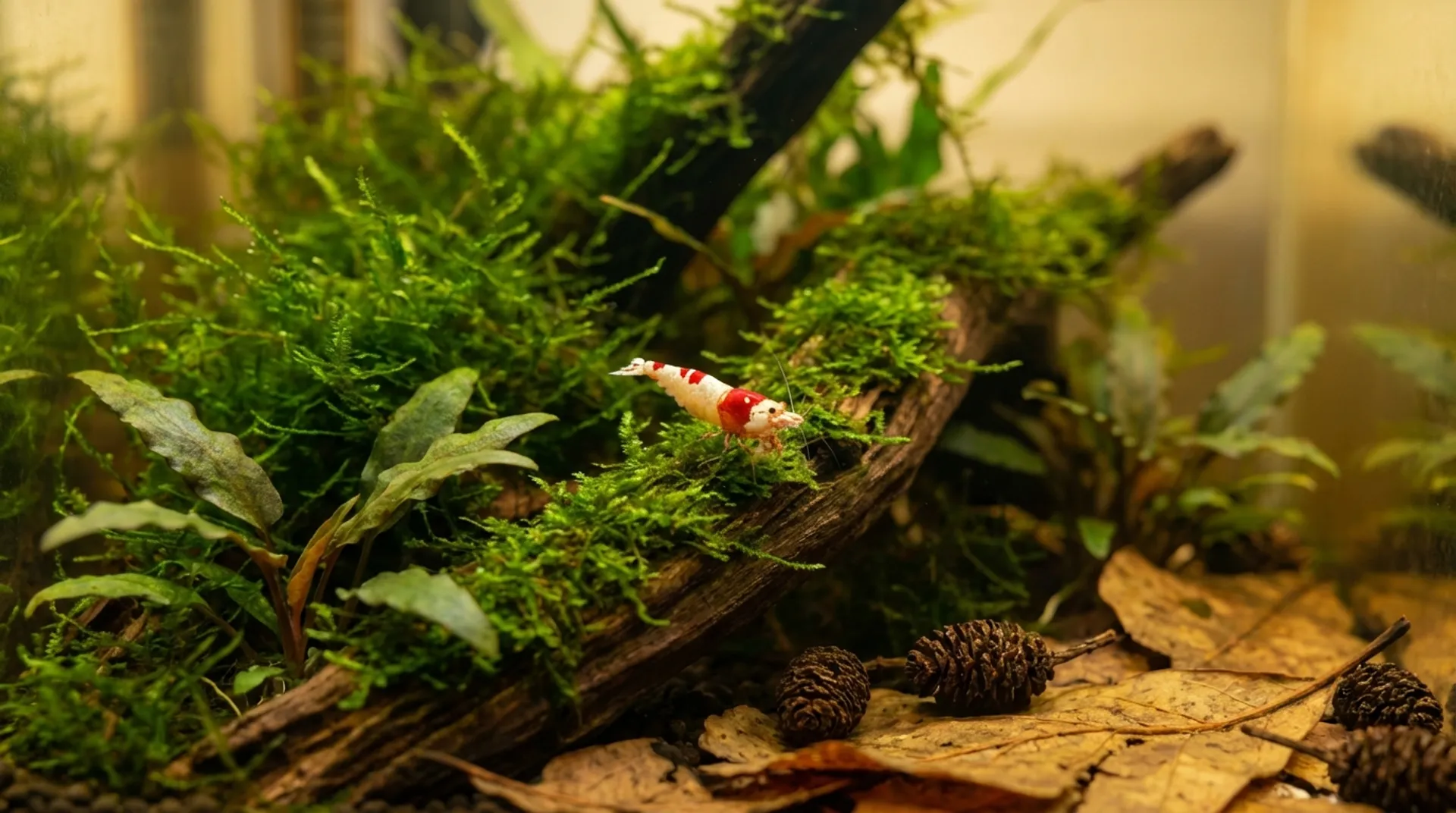
You’ve been eyeing those stunning Crystal Red Shrimp at your local fish store, but there’s one problem: your tap water sits at pH 7.8, and these beautiful Caridina need much more acidic conditions to thrive. The good news? Lowering pH safely is absolutely achievable with the right approach and patience.
Many shrimp keepers struggle with pH adjustment because they rush the process or use inappropriate methods that shock their livestock. The key to success lies in understanding why pH matters for shrimp health and implementing gradual, stable changes that mirror their natural habitat conditions.
This comprehensive guide will walk you through proven methods to safely lower your shrimp tank’s pH, whether you’re setting up a new Caridina tank or transitioning an existing setup. You’ll learn about natural acidification methods, water preparation techniques, and critical monitoring practices that ensure your shrimp remain healthy throughout the process.
Understanding pH Requirements for Different Shrimp Species
Not all freshwater shrimp require the same pH levels, and understanding these differences is crucial for success. Caridina species, including popular varieties like Crystal Red Shrimp (Caridina cantonensis), Taiwan Bee Shrimp, and Shadow Pandas, typically prefer acidic water with pH ranging from 5.5 to 6.8. Most perform best in the 6.0-6.5 range.
Neocaridina species, such as Cherry Shrimp (Neocaridina davidi), are much more adaptable and tolerate pH levels from 6.5 to 7.5, with some strains handling even higher values. This flexibility makes them ideal for beginners or those with harder tap water.
The reason for these preferences lies in their natural habitats. Many Caridina species originate from soft, acidic mountain streams with minimal mineral content, while Neocaridina often come from more alkaline environments with higher mineral concentrations.
Testing and Understanding Your Current Water Parameters
Before attempting any pH adjustments, you must establish baseline measurements of your current water chemistry. Test for pH, carbonate hardness (KH), general hardness (GH), and total dissolved solids (TDS) if possible.
KH is particularly important because it acts as a pH buffer, preventing changes in acidity. High KH (above 4 dKH) makes lowering pH extremely difficult and can cause dangerous pH swings when buffering capacity is suddenly overwhelmed. Most Caridina setups work best with KH between 0-2 dKH.
Use high-quality liquid test kits rather than test strips for accurate readings. Digital pH meters provide the most precise measurements but require regular calibration. Test your tap water and let it sit for 24 hours before retesting, as dissolved CO2 can affect initial readings.
Pro tip: Keep a water parameter log during pH adjustment periods. Record daily measurements to track trends and identify any concerning fluctuations before they become problematic.
Safe Methods to Lower pH in Shrimp Tanks
RO/DI Water Method
Reverse osmosis and deionized water provides the most reliable foundation for pH control. RO/DI water removes virtually all dissolved minerals, including the carbonates that buffer pH, giving you a blank slate to work with.
Mix RO/DI water with your tap water in ratios like 50:50 or 70:30 to gradually reduce hardness and pH. For Caridina tanks, many keepers use 100% RO/DI water and add back specific minerals using commercial remineralizers designed for acidic setups.
Remineralizers like SaltyShrimp GH/KH+ or Dennerle Shrimp King Mineral allow precise control over final parameters. Follow manufacturer instructions, but typical dosing achieves GH 4-6 dGH while maintaining low KH for stable acidic pH.
Natural Acidification Methods
Driftwood releases tannins that naturally lower pH over time. Malaysian driftwood, spider wood, and cholla wood are excellent choices. Larger pieces or multiple pieces provide stronger acidifying effects. Boil wood before use to remove excess tannins that might stain water too heavily.
Peat moss in filter media slowly acidifies water while providing beneficial humic acids. Use aquarium-grade peat in mesh bags within your filter system. Replace monthly as effectiveness diminishes over time.
Almond leaves, oak leaves, and other botanicals contribute mild acidification while providing natural foods for shrimp. These methods work slowly but create stable, long-term pH reduction.
Active Acidic Substrates
Specialized substrates like ADA Amazonia, Fluval Stratum, or Brightwell Aquatics Rio Escuro lower pH gradually while providing plant nutrients. These substrates work by ion exchange, releasing acids while absorbing carbonates from the water column.
Active substrates provide months or even years of pH buffering but work slowly. Expect gradual pH reduction over 2-4 weeks in new setups. They’re ideal for planted Caridina tanks but may initially spike ammonia, so proper cycling is essential.
Step-by-Step pH Reduction Process
Week 1: Baseline and Planning Test all parameters and establish target values based on your shrimp species. Calculate water mixing ratios if using RO/DI water. Prepare initial batch of adjusted water and test final parameters before use.
Week 2-4: Gradual Water Changes Perform small, frequent water changes (10-15% every 2-3 days) using your prepared acidic water. Monitor pH daily and adjust change frequency if pH drops faster than 0.2 units per day. Watch shrimp behavior closely for stress signs.
Week 4-6: Natural Acidifiers Introduce driftwood, peat, or botanicals to provide ongoing pH maintenance. These additions work synergistically with RO/DI water changes to maintain stable acidic conditions long-term.
Ongoing: Maintenance and Monitoring Continue regular water changes with pre-mixed, tested water. Monitor pH weekly once stable. Replace peat monthly and refresh botanicals as they decompose.
Monitoring and Troubleshooting
Daily pH monitoring during adjustment periods helps catch problems early. Look for signs of shrimp stress including lethargy, loss of appetite, unusual hiding behavior, or molting problems. If stress signs appear, halt pH changes and stabilize current conditions.
pH that won’t budge despite acidification attempts usually indicates high KH buffering. Focus on reducing carbonate hardness through increased RO/DI water ratios before expecting significant pH changes.
Sudden pH crashes can occur when buffering capacity is exhausted. This is why gradual KH reduction paired with slow pH adjustment is crucial for stability.
What to Avoid
Never use liquid “pH down” chemicals in established shrimp tanks. These products cause rapid, unpredictable pH swings that shock sensitive shrimp. Similarly, avoid household acids like vinegar or citric acid, which create unstable chemistry harmful to both shrimp and beneficial bacteria.
Don’t rely solely on small pieces of driftwood or single almond leaves expecting dramatic pH changes. These provide minimal acidification and work better as supplemental methods alongside water chemistry adjustments.
Avoid making large pH changes quickly, even with natural methods. Patience prevents casualties and creates stable long-term conditions for breeding and thriving shrimp colonies.
Conclusion
Successfully lowering pH in a shrimp tank requires patience, proper planning, and consistent monitoring. By understanding your target species’ needs, using appropriate water preparation methods, and implementing gradual changes, you can create the acidic conditions many Caridina species require for optimal health and breeding.
Remember that stability matters more than hitting exact numbers. A stable pH of 6.2 serves your shrimp better than constantly fluctuating levels between 5.8 and 6.6. Focus on consistent water change routines with properly prepared water, and your acidic shrimp setup will reward you with healthy, active colonies for years to come.
Frequently Asked Questions
Most Caridina shrimp species prefer acidic water with a pH between 5.5-6.8. Crystal Red Shrimp and Bee Shrimp thrive in pH 6.0-6.5, while Taiwan Bee varieties often prefer even lower pH around 5.5-6.2.
Never lower pH faster than 0.1-0.3 units per day. Rapid pH changes stress shrimp and can cause molting problems or death. Gradual adjustments over weeks are much safer.
Avoid liquid pH down chemicals in established shrimp tanks. They cause rapid, unpredictable swings that shock shrimp. Use natural methods like RO water, driftwood, or acidic substrates instead.
High carbonate hardness (KH) buffers pH changes. You need to lower KH first by using RO/DI water or mixing it with tap water to reduce buffering capacity before pH will drop.
Never use household acids like vinegar in shrimp tanks. They create unstable chemistry and can harm beneficial bacteria. Stick to aquarium-safe methods like peat moss, driftwood, or RO water.
Active acidic substrates like ADA Amazonia, Fluval Stratum, or SL-Aqua Magic Powder gradually lower and buffer pH over time. They're excellent for Caridina setups but work slowly over weeks to months.
Track Your Parameters Like a Pro
Stop guessing if your water is right. ShrimpKeeper tracks TDS, GH, KH, pH, and temperature with species-specific recommendations.
Download FreeRelated Articles
How to Raise TDS in Your Shrimp Tank: Complete Guide
Master the art of raising TDS in your shrimp tank with our comprehensive guide covering target ranges, remineralization techniques, and monitoring strategies.
The Perfect Water Parameters for Caridina Shrimp
Unlock the secrets to thriving Caridina shrimp colonies with precise water parameter ranges that mimic their natural soft, acidic habitat.
How to Make Your Own Shrimp Food at Home: Complete DIY Guide
Discover how to create cost-effective, nutritious homemade shrimp food that promotes better growth and breeding. Get proven recipes and step-by-step instructions.