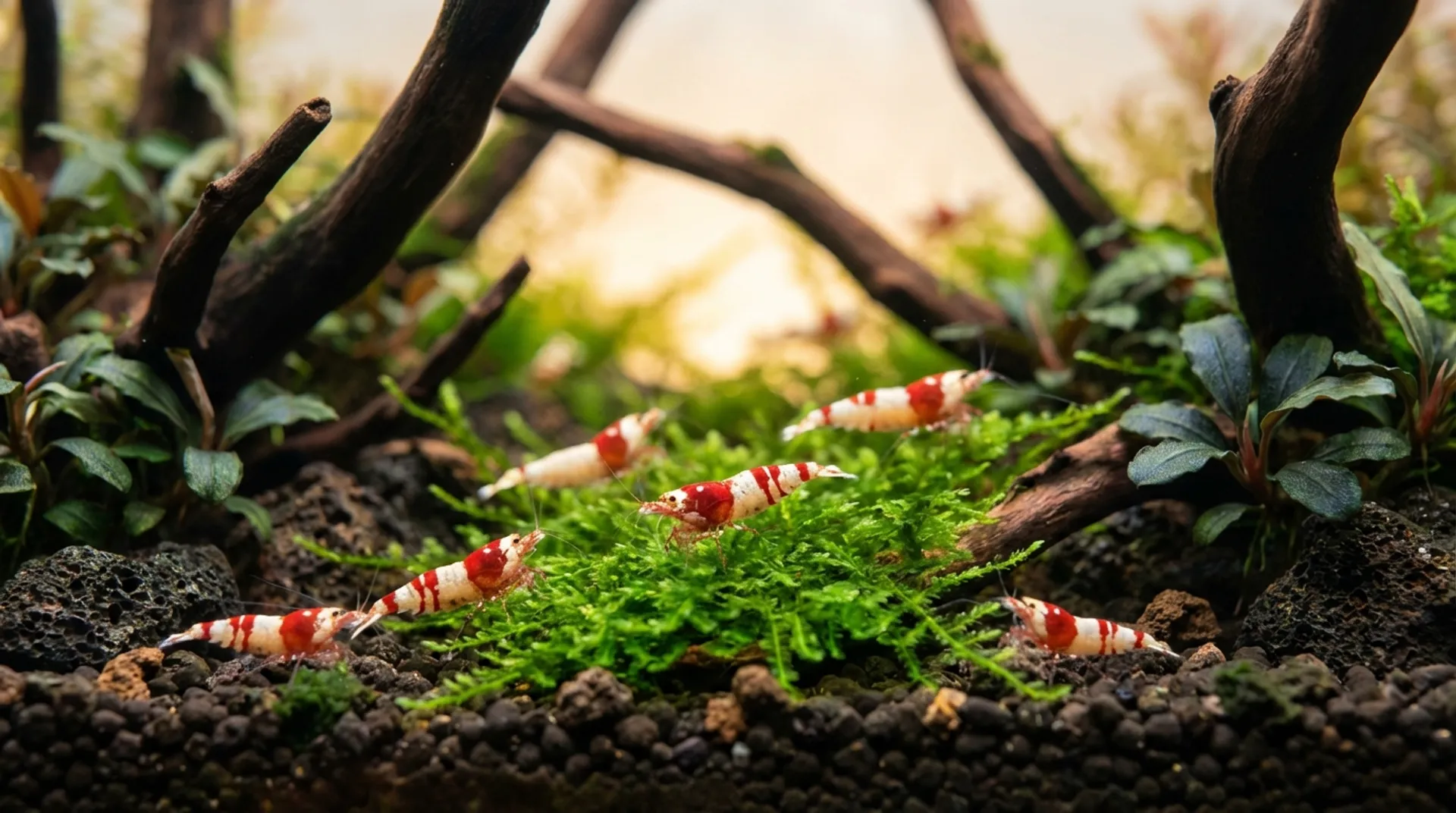
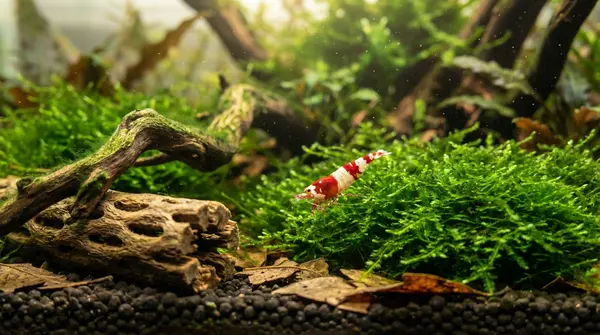
Imagine peering into your aquarium and seeing vibrant red and white striped shrimp gracefully gliding across emerald moss. Red Bee Shrimp, also known as Crystal Red Shrimp (Caridina cantonensis), represent one of the most coveted and challenging species in the freshwater shrimp hobby. These stunning invertebrates have captivated aquarists worldwide with their striking patterns and the intricate grading system that determines their value and breeding potential.
What sets Red Bee Shrimp apart from their hardier Neocaridina cousins isn’t just their beauty—it’s their demanding care requirements and the rewarding challenge they present to dedicated shrimp keepers. Unlike beginner-friendly Cherry Shrimp, these Caridina species require precise water parameters, specialized substrates, and unwavering attention to detail. However, for those willing to master their care, Red Bee Shrimp offer an incredibly rewarding experience with their active breeding behavior and the excitement of potentially producing high-grade offspring.
This comprehensive guide will walk you through everything you need to know about keeping Red Bee Shrimp successfully, from understanding their critical water parameter needs to mastering the grading system that makes these shrimp so valuable in the aquarium trade.
Understanding Red Bee Shrimp
Red Bee Shrimp are a selectively bred variety of Caridina cantonensis, originally developed from wild Bee Shrimp found in southern China. Through decades of careful breeding, aquarists have created these stunning red and white specimens that showcase some of the most beautiful patterns in the shrimp world. The “Crystal Red” designation specifically refers to high-grade specimens with exceptional white coverage and crisp, well-defined red bands.
These shrimp are part of the Caridina genus, which means they evolved in soft, acidic water environments. This evolutionary background explains their stringent water parameter requirements and why they cannot simply be dropped into any aquarium like their Neocaridina relatives.
Critical Water Parameters
The foundation of successful Red Bee Shrimp keeping lies in maintaining precise water parameters. These specifications aren’t suggestions—they’re requirements for the health, breeding, and vibrant coloration of your shrimp.
Essential Parameters:
- pH: 5.8-6.8 (optimal range 6.0-6.4)
- General Hardness (GH): 3-6 dGH (3-4 dGH preferred)
- Carbonate Hardness (KH): 0 dKH
- Total Dissolved Solids (TDS): 80-100 ppm
- Temperature: 68-74°F (20-24°C)
The zero KH requirement is particularly crucial—it mimics their natural rainwater environment and triggers breeding behavior. Many successful breeders maintain their Red Bee Shrimp at the lower end of the pH range (around 6.0-6.2) to enhance coloration and promote breeding.
Water Preparation
RO/DI (Reverse Osmosis/Deionized) water is essential for Red Bee Shrimp. Tap water, even if treated, rarely provides the precise mineral content these shrimp require. Remineralize your RO/DI water using specialized products like Salty Shrimp GH+ or similar shrimp-specific remineralizers that provide necessary minerals without affecting KH.
Test your water parameters regularly using reliable TDS meters and pH test kits. Perform 10-15% water changes bi-weekly using the drip acclimation method to prevent parameter swings that can stress or kill your shrimp.
Tank Setup Requirements
Creating the perfect environment for Red Bee Shrimp requires specific equipment and setup considerations that support their biological needs.
Tank Size and Maturation
Start with a minimum 10-gallon tank, though larger tanks provide better parameter stability. Before adding any shrimp, allow your tank to mature for 4-6 weeks. This maturation period is crucial for establishing the biofilm and beneficial bacterial colonies that Red Bee Shrimp depend on for food and water quality.
Active Substrate
Active buffering substrate is non-negotiable for Red Bee Shrimp. Products like ADA Amazonia, SL-Aqua, or Brightwell Aquatics soil serve multiple purposes:
- Lower and buffer pH naturally
- Provide essential minerals
- Support beneficial bacterial growth
- Create grazing surfaces for biofilm
Filtration and Flow
Gentle filtration is key. Sponge filters or matten filters provide:
- Safe environment for shrimplets
- Additional grazing surfaces
- Gentle water movement
- Biological filtration without strong currents
Avoid filters with strong intake suction that can harm or kill small shrimp and shrimplets.
Plants and Hardscape
Include plenty of plants and hiding spots:
- Mosses: Java moss, Christmas moss for shrimplet protection
- Plants: Bucephalandra, Anubias, slow-growing species
- Natural additives: Indian almond leaves, oak leaves for tannins and pH buffering
- Hardscape: Cholla wood, shrimp tubes, volcanic rock for grazing surfaces
Pro tip: Add botanicals like Indian almond leaves not just for pH buffering, but for their antibacterial properties that help prevent infections in breeding females and newly molted shrimp.
The Red Bee Shrimp Grading System
Understanding the grading system is essential for any serious Red Bee Shrimp keeper, whether you’re buying, breeding, or simply appreciating these beautiful creatures.
Grading Basics
Red Bee Shrimp are graded primarily on three factors:
- Red-to-white ratio: Higher grades have more white coverage
- Pattern clarity: Sharp, well-defined boundaries between colors
- Symmetry: Even distribution of patterns across the body
Common Grading Scale
| Grade | Characteristics | Best Use |
|---|---|---|
| Low Grade (CRS 0-1) | Mostly red with small white patches, fuzzy boundaries | Display tanks, beginners |
| Mid Grade (CRS 2-3) | Balanced red-white ratio, some blurring | Breeding projects, learning |
| High Grade (CRS 4+) | 50%+ white coverage, crisp patterns | Selective breeding only |
| Top Grade (TPA) | Maximum white, perfect symmetry | Premium breeding stock |
Breeding for Grade Improvement
Selective breeding is crucial for maintaining and improving grades. Successful breeders:
- Cull low-grade offspring (remove 50%+ per generation)
- Use only high-grade specimens for breeding
- Maintain detailed records of breeding pairs
- Avoid mixing different bloodlines to prevent grade degradation
Remember that even high-grade parents can produce lower-grade offspring—genetics in Red Bee Shrimp are complex and involve multiple genes controlling coloration patterns.
Diet and Feeding
Red Bee Shrimp are omnivorous grazers with specific nutritional needs that support their coloration, molting, and breeding success.
Natural Diet
In a mature tank, Red Bee Shrimp spend most of their time grazing on:
- Biofilm on surfaces
- Algae growth
- Decaying plant matter
- Bacterial colonies
Supplemental Feeding
Supplement their natural grazing 1-2 times per week with:
- Specialized foods: Dennerle Shrimp King, Hikari Shrimp Cuisine
- Bacterial supplements: Bacter AE to boost biofilm production
- Natural foods: Blanched spinach, broccoli, zucchini
- Protein sources: High-quality sinking pellets, freeze-dried daphnia
Feed sparingly—uneaten food degrades water quality quickly in the soft water environment these shrimp require.
Pro tip: Enhanced red coloration comes from a combination of optimal water parameters, cooler temperatures (68-70°F), and foods rich in natural color-enhancing compounds like spirulina and astaxanthin.
Breeding Red Bee Shrimp
Breeding Red Bee Shrimp is one of the most rewarding aspects of keeping these beautiful creatures, but it requires patience and attention to detail.
Breeding Setup
Successful breeding requires:
- Stable parameters for at least 2-3 months
- Mature colony with 1:2 male-to-female ratio
- Plenty of hiding spots for berried females
- Zero KH to trigger breeding behavior
The Breeding Process
Female Red Bee Shrimp carry eggs for 3-4 weeks, with the duration depending on temperature (faster at 74°F, slower at 68°F). Berried females should be left undisturbed in the main tank—moving them causes stress and potential egg loss.
Shrimplets are independent from birth but need:
- Abundant biofilm for food
- Protection from adult shrimp
- Stable water parameters
- Dense plant coverage
Common Breeding Challenges
New keepers often struggle with:
- Failed molts: Usually caused by parameter fluctuations
- Egg loss: Often due to stress or poor water quality
- Low survival rates: Insufficient biofilm or unstable conditions
- White ring of death: Fatal molting failure from parameter swings
Troubleshooting Common Issues
Shrimp not breeding: Check that KH is truly zero and parameters have been stable for several months. Breeding often stops during seasonal changes or after water parameter adjustments.
Poor coloration: Ensure temperature is on the cooler side (68-70°F), provide varied diet with color-enhancing foods, and verify water parameters are optimal.
High mortality: Usually indicates parameter instability, inadequate tank maturation, or contamination. Test for ammonia, nitrites, and heavy metals.
Sudden deaths: Often caused by rapid parameter changes during water changes or temperature fluctuations. Always use drip acclimation methods.
Conclusion
Red Bee Shrimp represent the pinnacle of freshwater shrimp keeping—beautiful, challenging, and incredibly rewarding for dedicated aquarists. Success with these stunning creatures comes down to understanding their specific needs: soft, acidic water maintained through RO/DI preparation, active substrates, mature tank environments, and unwavering attention to parameter stability.
While they require more effort than beginner shrimp species, the reward of watching a thriving colony of high-grade Red Bee Shrimp in your aquarium is unmatched in the hobby. Whether you’re drawn to the intricate grading system, the challenge of selective breeding, or simply their mesmerizing beauty, these remarkable shrimp will provide years of fascination and learning opportunities.
Start with quality specimens from reputable breeders, invest in proper equipment for water preparation and testing, and most importantly, be patient as you learn their needs. With dedication and proper care, you’ll soon be enjoying one of the most beautiful and rewarding species in the freshwater aquarium hobby.
Frequently Asked Questions
Red Bee Shrimp require pH 5.8-6.8, GH 3-6, KH 0, TDS 80-100 ppm, and temperature 68-74°F. They need soft, acidic water with active buffering substrate to thrive and breed successfully.
Red Bee Shrimp are graded based on their red-to-white ratio, stripe clarity, and pattern symmetry. Higher grades have more white coloration with crisp, well-defined red bands and symmetrical patterns.
Red Bee Shrimp need a minimum 10-gallon tank, though larger tanks provide better stability. The tank should be mature for 4-6 weeks before adding shrimp to establish proper biofilm and bacterial colonies.
Yes, Red Bee Shrimp can breed in community tanks if water parameters are stable and optimal. Females carry eggs for 3-4 weeks, and shrimplets need biofilm-rich environments with plenty of hiding spots to survive.
Red Bee Shrimp are omnivorous grazers that feed on biofilm, algae, and detritus. Supplement their diet 1-2 times weekly with specialized shrimp foods, blanched vegetables, and bacterial supplements like Bacter AE.
Red Bee Shrimp need RO/DI water remineralized with shrimp-specific products because tap water often contains minerals that make it too hard and alkaline. Precise mineral control is essential for their health and breeding success.
Track Your Parameters Like a Pro
Stop guessing if your water is right. ShrimpKeeper tracks TDS, GH, KH, pH, and temperature with species-specific recommendations.
Download FreeRelated Articles
Yellow Golden Back Shrimp Care Guide: Complete Setup & Breeding Tips
Yellow Golden Back Shrimp are stunning, hardy Neocaridina perfect for beginners. Learn proper water parameters, tank setup, and breeding techniques for a thriving colony.
Blue Bolt Shrimp: Complete Care and Breeding Guide
Blue Bolt shrimp are stunning Caridina specimens that reward dedicated keepers with vibrant colors and successful breeding when provided with soft, acidic water conditions.
Taiwan Bee Shrimp Care Guide for Advanced Keepers
Taiwan Bee shrimp represent the pinnacle of advanced shrimp keeping, demanding precision, patience, and expertise to achieve stunning colors and successful breeding in your aquarium.