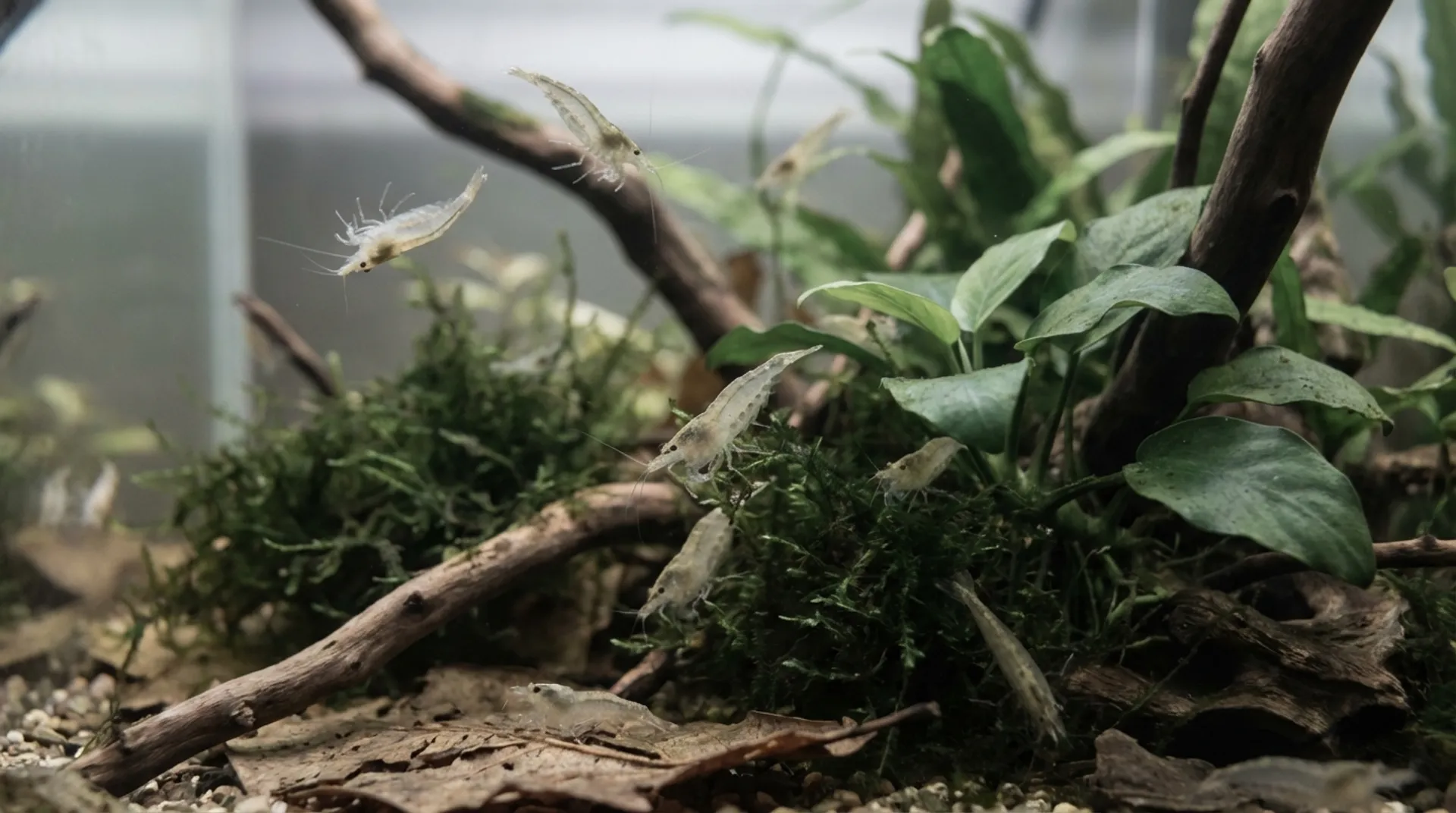
You’re watching your shrimp tank when something seems off. Your usually active Cherry Shrimp are huddled in corners, their bright red colors have faded to pale pink, and they’re swimming erratically near the surface. These aren’t normal behaviors—your shrimp are telling you they’re in distress.
Recognizing stress in freshwater aquarium shrimp is crucial for maintaining a healthy colony. Unlike fish, shrimp are incredibly sensitive to environmental changes and will show stress symptoms quickly when conditions aren’t optimal. The good news is that stressed shrimp can recover when you identify the problem early and take appropriate action.
In this guide, we’ll explore the telltale signs of shrimp stress, the common causes behind these symptoms, and most importantly, the proven solutions that can save your colony. Whether you’re dealing with water quality issues, molting problems, or environmental stressors, you’ll learn how to diagnose and fix the problem before it’s too late.
Recognizing the Warning Signs
Stressed shrimp exhibit distinct behavioral and physical changes that are easy to spot once you know what to look for. These symptoms often appear within hours of a stressor being introduced to the tank.
Behavioral Changes
Erratic swimming patterns are one of the most obvious stress indicators. Healthy shrimp move gracefully along surfaces, but stressed shrimp may dart frantically around the tank, bump into glass walls, or shoot rapidly to the surface. This panic behavior often indicates acute stress from water parameter swings or toxic substances.
Excessive hiding or clustering is another red flag. While shrimp naturally seek shelter, stressed individuals will hide constantly or group together in unusual locations like corners or near the water surface. This behavior suggests they’re trying to escape unfavorable conditions in their environment.
Lethargy and reduced activity manifest as shrimp lying motionless on the substrate or showing little interest in foraging. Healthy shrimp are constantly active, grazing on biofilm and exploring their territory. When they become sluggish, it often indicates low oxygen levels or poor water circulation.
Physical Symptoms
Color loss or fading is a telltale sign of stress in most shrimp species. Cherry Shrimp may fade from vibrant red to pale pink, while Blue Dream Shrimp lose their intense blue coloration. This isn’t the temporary paling that occurs during molting—stressed shrimp remain faded for extended periods.
Loss of appetite shows up as shrimp ignoring their favorite foods or failing to respond to feeding time. Since shrimp have high metabolic rates, prolonged appetite loss can quickly compromise their immune system and overall health.
Molting difficulties represent serious stress complications. Stressed shrimp may fail to complete molts, become stuck in their old shells, or show white lines on their backs for extended periods without molting. These issues can be fatal if not addressed quickly.
Pro tip: Keep a daily log of your shrimp’s behavior patterns. This baseline helps you spot subtle changes that might indicate developing stress before symptoms become severe.
Critical Water Parameters
Water quality is the foundation of shrimp health, and maintaining stable parameters prevents most stress-related issues. Shrimp are far more sensitive than fish to parameter fluctuations, making consistent monitoring essential.
Essential Parameter Ranges
For most Neocaridina species (Cherry, Blue Dream, Yellow), maintain these parameters:
- Ammonia: 0 ppm (any detectable ammonia is toxic)
- Nitrite: 0 ppm (converts to harmful compounds)
- Nitrate: Below 20 ppm (over 50 ppm causes growth issues)
- pH: 6.5-7.5 (stability more important than exact number)
- Temperature: 72-78°F (22-26°C) with minimal daily fluctuation
- GH: 6-12 dGH for proper molting support
- KH: 2-8 dKH for pH buffering
- TDS: 200-350 ppm (species dependent)
Parameter-Related Stress Triggers
Temperature swings over 2°F per day cause immediate stress responses. Use a reliable heater with a guard to prevent shrimp from burning themselves, and consider a controller for precise temperature management in sensitive species.
pH fluctuations create osmotic stress that can trigger the “White Ring of Death”—a condition where shrimp develop a white band and die within 24-48 hours. Maintain stable pH through adequate KH buffering and avoid large water changes.
Toxic compounds like copper from medications, chlorine from untreated tap water, or pesticides from contaminated plants cause rapid stress responses and death. Always use dechlorinated water and copper-safe products in shrimp tanks.
Root Causes of Shrimp Stress
Understanding what triggers stress helps prevent problems before they start. Most stress cases fall into four main categories, each requiring different approaches to resolve.
Water Quality Issues
Nitrogen cycle disruptions from overfeeding, overstocking, or beneficial bacteria die-offs cause ammonia and nitrite spikes. These compounds are directly toxic to shrimp and require immediate action through water changes and cycle restoration.
Poor oxygenation from inadequate water movement or high bioloads leads to lethargy and surface clustering. Shrimp need well-oxygenated water, especially during molting when their oxygen demands increase.
Chemical contamination from cleaning products, medications, or untested decorations introduces toxins that cause erratic behavior and rapid deaths. Always rinse new additions thoroughly and avoid household chemicals near the tank.
Tank Management Problems
Large water changes over 25% can shock shrimp with parameter swings, even when using properly prepared replacement water. Stick to smaller, more frequent changes to maintain stability.
Improper acclimation when introducing new shrimp often leads to immediate stress and the White Ring of Death. Use the drip method over 1-2 hours to gradually adjust shrimp to new parameters.
Substrate disturbance during cleaning releases trapped gases and debris that stress the colony. Clean gravel gently and avoid deep substrate disruption in established tanks.
Biological and Environmental Factors
Overcrowding creates competition for resources and increases bioload beyond the tank’s capacity. Maintain roughly 1-2 gallons per adult shrimp for optimal conditions.
Incompatible tank mates like aggressive fish or predatory invertebrates create constant stress through hunting pressure. Research compatibility carefully before adding any species to a shrimp tank.
Inadequate hiding places leave shrimp feeling exposed and vulnerable. Provide plenty of plants, moss, and decorations to create security throughout the tank.
Pro tip: Indian Almond Leaves not only provide hiding spots but also release beneficial tannins that have antibacterial properties and can help stressed shrimp recover more quickly.
Immediate Treatment Solutions
When you identify stressed shrimp, quick action can mean the difference between recovery and colony collapse. Follow this emergency protocol to stabilize conditions and support your shrimp’s recovery.
Emergency Water Quality Response
Test all parameters immediately using reliable test kits. Check ammonia, nitrite, nitrate, pH, and temperature at minimum. Document the results to track improvements and identify trends.
Perform small water changes of 10-20% daily using dechlorinated water matched to tank temperature and pH. Large changes can shock already-stressed shrimp, so resist the urge to do massive water changes even with poor parameters.
Increase oxygenation by adding an airstone, increasing filter flow (while maintaining gentle current), or lowering the water level slightly to increase surface agitation. Stressed shrimp need extra oxygen to recover.
Supportive Care Measures
Remove stressors like uneaten food, dead plant matter, or aggressive tank mates. Clean the tank gently without disturbing established biofilm that shrimp depend on for nutrition.
Add beneficial supplements such as crushed cuttlebone for calcium support during molting, or Indian Almond Leaves for their natural antibacterial and stress-reducing properties.
Dim lighting to reduce stress while shrimp recover. Many stressed shrimp prefer subdued conditions until they regain their normal behavior patterns.
Monitoring Recovery
Watch for improvement signs like increased activity, return of normal coloration, and renewed interest in food. Recovery typically begins within 24-48 hours if the underlying cause is corrected.
Document daily observations to track progress and identify any shrimp that aren’t recovering. Severely stressed individuals may need additional time or may not survive despite your best efforts.
Long-Term Prevention Strategies
Preventing stress is always easier than treating it. Establishing proper husbandry practices and maintaining consistent conditions will keep your shrimp colony healthy and thriving.
Proper Tank Setup
Cycle completely for 4-6 weeks before adding shrimp. A mature biofilter provides stable water chemistry and processes waste efficiently without parameter swings.
Plant heavily with low-maintenance species like Java Moss, Anubias, and Marimo Moss Balls. Plants consume nitrates, provide grazing surfaces, and create the natural environment shrimp prefer.
Use gentle filtration with sponge filters or carefully baffled HOB filters. Strong currents stress shrimp and can interfere with feeding and molting.
Maintenance Protocols
Establish regular testing schedules with weekly parameter checks and daily visual inspections. Consistent monitoring catches problems before they become crises.
Feed sparingly with high-quality foods and remove uneaten portions within 2-3 hours. Overfeeding leads to water quality issues that stress the entire colony.
Maintain stable schedules for lighting, feeding, and maintenance. Shrimp thrive on consistency and may stress from sudden routine changes.
Pro tip: Keep a quarantine tank running for new additions and emergency treatment. Having a cycled backup system available can save your entire colony during emergencies.
Conclusion
Recognizing stress signs in your freshwater shrimp—from erratic swimming and color loss to hiding and appetite changes—allows you to take swift action that can save your colony. Remember that shrimp are incredibly sensitive to their environment, and what might seem like minor changes to us can cause significant stress to them.
The key to success lies in maintaining stable water parameters, particularly keeping ammonia and nitrite at 0 ppm, nitrates below 20 ppm, and temperature fluctuations minimal. When problems do arise, small daily water changes, increased oxygenation, and patience usually restore your shrimp to health.
Start implementing a regular monitoring routine today—daily visual checks and weekly parameter testing will help you catch stress early when it’s most treatable. Your shrimp will reward your attention with vibrant colors, active behavior, and a thriving colony that brings joy to your aquarium hobby.
Frequently Asked Questions
The most common stress signs include erratic swimming patterns, excessive hiding, loss of vibrant coloration, reduced appetite, and lethargy. Stressed shrimp may also dart frantically around the tank or cluster in corners.
Shrimp are extremely sensitive to parameter changes. Temperature fluctuations over 2°F per day or pH swings can cause immediate stress. Ammonia or nitrite levels above 0 ppm are toxic and cause stress within hours.
Stressed shrimp can recover if the underlying cause is identified and corrected quickly. Early intervention with water quality improvements and stable conditions often saves stressed shrimp from death.
Ammonia and nitrite levels above 0 ppm are the most dangerous, followed by nitrates over 20 ppm. Temperature fluctuations, pH swings, and the presence of copper or chlorine also cause severe stress.
Pre-molt behavior includes reduced movement and a white line on the back, but shrimp remain calm. Stressed shrimp show erratic swimming, panic behavior, and may have difficulty completing the molting process successfully.
Test water parameters immediately, perform a small 10-20% water change with dechlorinated water, increase aeration, and remove any uneaten food. Monitor the shrimp closely and address any parameter issues found in testing.
Track Your Parameters Like a Pro
Stop guessing if your water is right. ShrimpKeeper tracks TDS, GH, KH, pH, and temperature with species-specific recommendations.
Download FreeRelated Articles
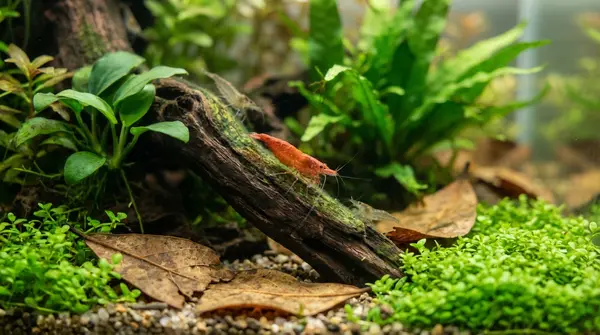
How to Treat Bacterial Infections in Shrimp: Complete Recovery Guide
Bacterial infections can devastate shrimp colonies, but with early detection and proper treatment, most shrimp can make a full recovery. Learn the warning signs and proven treatment methods.
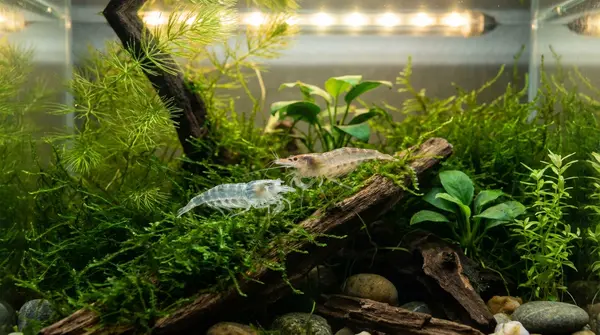
Understanding Shrimp Molting: What's Normal and What's Not
Discover the difference between normal shrimp molting and dangerous molt failures. Essential guide to supporting healthy molts and preventing common problems.
How to Make Your Own Shrimp Food at Home: Complete DIY Guide
Discover how to create cost-effective, nutritious homemade shrimp food that promotes better growth and breeding. Get proven recipes and step-by-step instructions.