
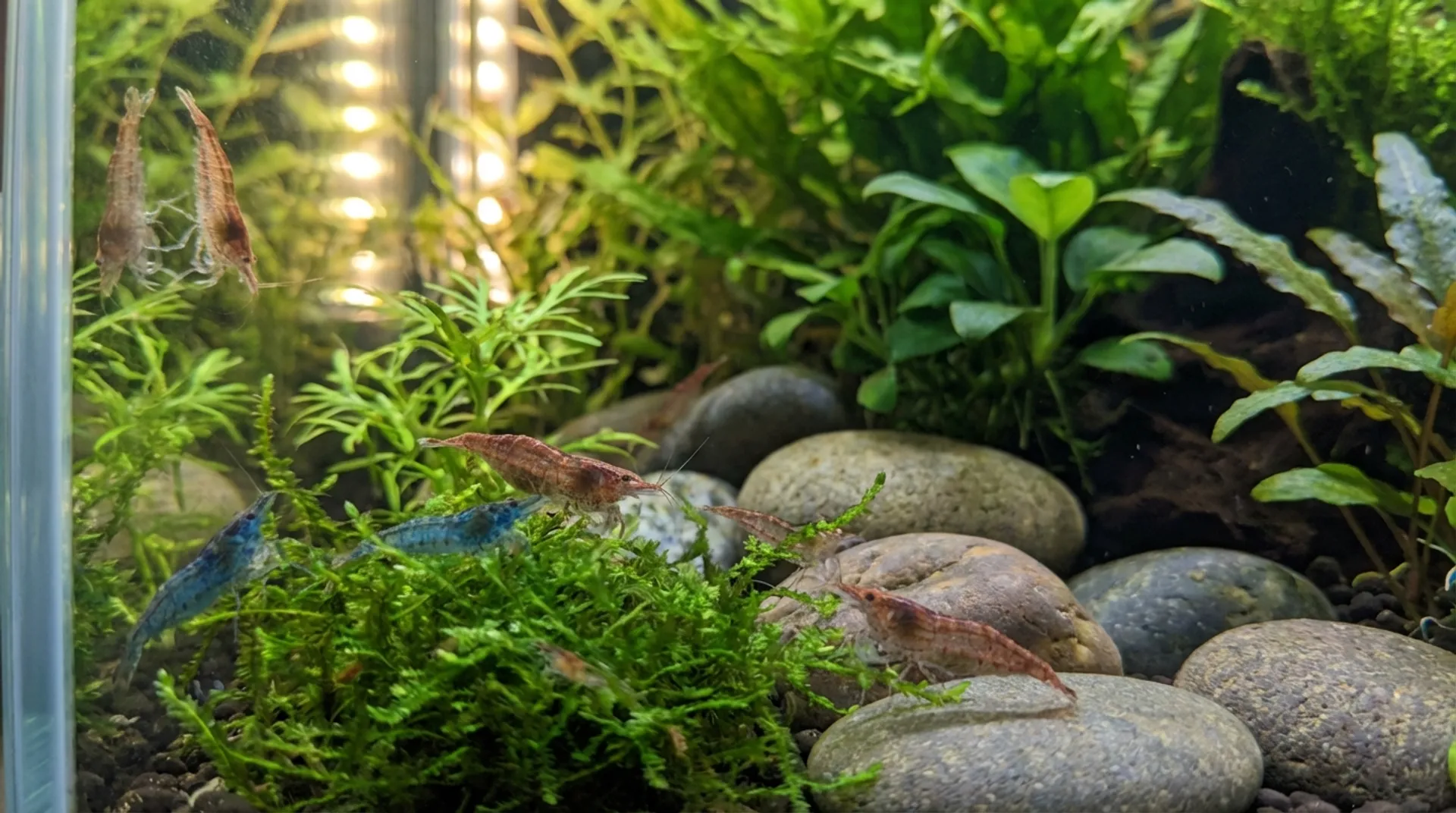
You’re watching your peaceful shrimp tank when suddenly you notice something alarming—your shrimp are darting around frantically, bumping into glass, and behaving completely out of character. This erratic swimming behavior is one of the most common distress signals in freshwater aquarium shrimp, and it demands immediate attention.
While it can be terrifying to witness, erratic swimming is actually your shrimp’s way of telling you something is seriously wrong in their environment. The good news? Most causes are fixable once you identify the root problem. Poor water quality accounts for roughly 80% of erratic swimming cases, making it the first thing you should investigate.
Understanding the difference between normal and abnormal behavior is crucial. Occasional bursts of activity, especially in male shrimp during breeding season, can be perfectly normal. However, constant frantic swimming, attempts to escape the tank, or multiple shrimp exhibiting this behavior simultaneously are clear red flags that require immediate intervention.
Identifying Normal vs. Abnormal Swimming Behavior
Before panicking, it’s essential to distinguish between natural behaviors and genuine distress signals. Male shrimp will often swim frantically when a female has molted and released pheromones, creating a feeding frenzy-like atmosphere as they compete for mating opportunities. This behavior typically lasts a few hours and only affects males.
Normal swimming patterns include:
- Occasional quick movements between plants
- Males rushing around briefly during breeding
- Gentle grazing movements along surfaces
- Calm exploration of the tank
Abnormal erratic swimming behaviors include:
- Constant darting and bumping into surfaces
- Attempts to climb out of the tank
- Frantic swimming at the water surface
- Multiple shrimp exhibiting the same behavior
- Jerky, uncontrolled movements
- Swimming in circles or spinning
Pro tip: If you see just one or two males swimming frantically for a short period, check for recently molted females hiding in plants. This is likely normal breeding behavior rather than a water quality issue.
Primary Causes of Erratic Swimming
Water Quality Issues
Poor water parameters are the leading cause of erratic swimming behavior. Shrimp are extremely sensitive to water chemistry changes, and even minor fluctuations can trigger stress responses.
Critical parameters to test immediately:
- Ammonia: Must be 0 ppm (any level is toxic)
- Nitrite: Must be 0 ppm (any level is toxic)
- pH: Should remain stable between 6.8-7.8
- GH (General Hardness): 6-12 dGH for most species
- KH (Carbonate Hardness): 3-10 dKH
- TDS (Total Dissolved Solids): 150-250 ppm
- Temperature: 68-78°F (20-26°C)
Oxygen Deficiency
Low dissolved oxygen forces shrimp to swim frantically toward the surface in search of more oxygenated water. This often appears as gasping behavior at the waterline.
Common causes of low oxygen:
- Biofilm covering the water surface
- Bacterial blooms from overfeeding
- CO2 overdose in planted tanks
- Overcrowding
- Insufficient surface agitation
Improper Acclimation
Newly added shrimp that weren’t properly acclimated often exhibit erratic swimming as they struggle to adapt to different water parameters. This is one of the leading causes of new shrimp mortality.
Environmental Stressors
Various environmental factors can trigger stress-induced swimming:
- Strong filter currents
- Incompatible tank mates
- Sudden lighting changes
- Vibrations or loud noises
- Overcrowding
- Lack of hiding places
Emergency Treatment Protocol
Step 1: Test Water Parameters Immediately
Drop everything and test your water. Focus on ammonia, nitrite, pH, and dissolved oxygen first. These are the most likely culprits for emergency situations.
Step 2: Address Critical Issues
For ammonia/nitrite spikes:
- Perform a 30-50% water change immediately
- Use dechlorinated water matched to tank temperature
- Add beneficial bacteria supplement
- Test again in 2-4 hours
For oxygen deficiency:
- Increase surface agitation with an airstone
- Remove any biofilm with paper towels
- Reduce or stop CO2 injection temporarily
- Perform a 25% water change
For pH/hardness issues:
- Make gradual adjustments over several days
- Never change pH more than 0.2 units per day
- Focus on GH first, then pH
- Use remineralization products designed for shrimp
Step 3: Provide Stress Relief
- Dim the lights or turn them off temporarily
- Ensure plenty of hiding spots (moss, plants, caves)
- Reduce feeding for 24-48 hours
- Minimize tank disturbances
- Add Indian almond leaves for natural stress relief
Pro tip: If multiple shrimp are swimming erratically at the surface, it’s almost always an oxygen issue. Add surface agitation immediately before testing other parameters.
Species-Specific Considerations
Neocaridina (Cherry Shrimp)
Cherry shrimp are relatively hardy but sensitive to copper and chloramines. They prefer:
- pH: 6.5-7.8
- GH: 6-12 dGH
- TDS: 150-250 ppm
- Temperature: 68-78°F
Caridina (Crystal/Bee Shrimp)
Crystal shrimp are more sensitive and require:
- pH: 6.0-6.8
- GH: 4-6 dGH
- TDS: 90-130 ppm
- Temperature: 68-74°F
Amano Shrimp
Larger and more robust, but still sensitive to:
- Copper contamination
- Poor acclimation
- Low oxygen levels
- Aggressive tank mates
Prevention Strategies
Maintain Stable Water Parameters
- Test water weekly with reliable test kits
- Perform 10-20% water changes weekly
- Match new water parameters to tank water
- Cycle new tanks for 4-6 weeks before adding shrimp
Proper Acclimation Process
- Float the bag for 15 minutes to equalize temperature
- Set up a drip line with airline tubing
- Drip tank water into the bag at 2-4 drops per second
- Continue for 1-2 hours until bag volume doubles
- Net shrimp into the tank (don’t add bag water)
Tank Setup for Success
- Provide 2-3 gallons per adult shrimp minimum
- Include plenty of plants and hiding spots
- Use sponge filters or baffle strong currents
- Maintain stable lighting schedules
- Avoid copper pipes, medications, or decorations
Feeding Best Practices
- Feed small amounts every 2-3 days
- Remove uneaten food within 2-3 hours
- Avoid powder foods that cloud water
- Supplement with biofilm-promoting foods
Pro tip: Keep Indian almond leaves in your tank permanently. They provide natural antibacterial properties, release beneficial tannins, and serve as an emergency stress reliever when parameters fluctuate.
When to Seek Additional Help
If erratic swimming continues after addressing water quality issues, consider these possibilities:
- Parasitic infections requiring specialized treatment
- Genetic disorders in heavily inbred lines
- Toxin exposure from external sources
- Neurological issues from poor breeding practices
Document symptoms with photos or videos and consult experienced shrimp keepers on forums or contact aquatic veterinarians for complex cases.
Conclusion
Erratic swimming behavior in aquarium shrimp is almost always preventable and treatable when caught early. The key is acting quickly to test water parameters and address any issues immediately. Remember that shrimp are incredibly sensitive indicators of water quality—their behavior often warns you of problems before they become fatal.
By maintaining stable water parameters, providing proper acclimation, and creating a stress-free environment, you can prevent most cases of erratic swimming. Keep your test kits handy, perform regular maintenance, and always observe your shrimp’s behavior as an early warning system for tank health. With proper care and quick responses to problems, your shrimp will return to their peaceful, natural behaviors and thrive in your aquarium.
Frequently Asked Questions
Erratic swimming is most commonly caused by poor water quality, especially ammonia or nitrite spikes. Test your water parameters immediately and perform a 30-50% water change if levels are unsafe.
Not always. Males may swim frantically when searching for a molted female to mate with. However, if all shrimp are affected or it's constant behavior, it indicates stress or poor water conditions.
Any ammonia or nitrite above 0 ppm, pH swings outside 6.8-7.8, GH below 6 dGH, or sudden TDS changes can trigger erratic swimming. Maintain stable parameters within ideal ranges.
New shrimp often swim erratically due to poor acclimation. Drip acclimate for 1-2 hours next time. Provide hiding spots like moss and maintain stable water parameters to reduce stress.
Yes, low oxygen causes shrimp to swim frantically toward the surface. Increase surface agitation with an airstone, remove biofilm buildup, and reduce powder foods that create bacterial blooms.
Be concerned if multiple shrimp are affected, they're attempting to climb out, refusing to eat, or showing other stress signs like lethargy. Test water immediately and take corrective action.
Track Your Parameters Like a Pro
Stop guessing if your water is right. ShrimpKeeper tracks TDS, GH, KH, pH, and temperature with species-specific recommendations.
Download FreeRelated Articles
Why Are My Shrimp Dying? 15 Common Causes and Solutions
Lost shrimp overnight? Discover the 15 most common causes of shrimp deaths and get step-by-step solutions to save your colony before it's too late.
How to Make Your Own Shrimp Food at Home: Complete DIY Guide
Discover how to create cost-effective, nutritious homemade shrimp food that promotes better growth and breeding. Get proven recipes and step-by-step instructions.
Yellow Golden Back Shrimp Care Guide: Complete Setup & Breeding Tips
Yellow Golden Back Shrimp are stunning, hardy Neocaridina perfect for beginners. Learn proper water parameters, tank setup, and breeding techniques for a thriving colony.