
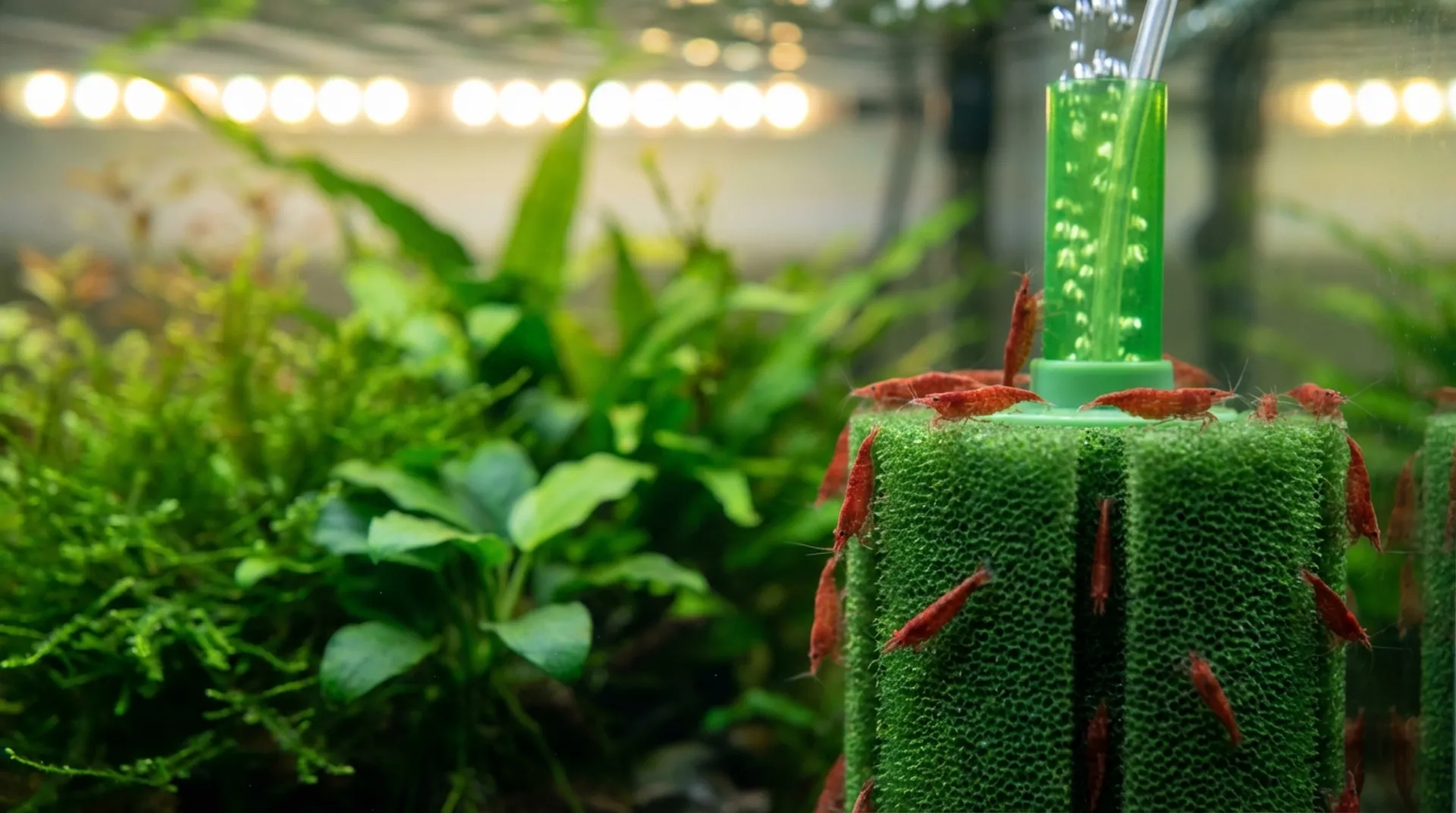
Picture this: you’ve just introduced a colony of beautiful cherry shrimp to your carefully prepared tank, only to find shrimplets disappearing into your filter intake within days. This heartbreaking scenario is all too common with inappropriate filtration choices. The solution? A properly selected sponge filter designed specifically for the unique needs of freshwater shrimp.
Sponge filters aren’t just a budget-friendly option—they’re the gold standard for shrimp keeping. Unlike traditional filters with strong suction and moving parts, sponge filters provide gentle, biological filtration while actually feeding your shrimp through biofilm production. They create the perfect environment for beneficial bacteria to thrive while keeping your precious shrimp colony safe from harm.
In this comprehensive guide, we’ll explore the top sponge filter models, optimal specifications for different tank sizes, and everything you need to know about setup and maintenance. Whether you’re a beginner starting your first shrimp tank or an experienced keeper looking to upgrade your filtration, this guide will help you make the perfect choice.
Why Sponge Filters Excel for Shrimp Tanks
Sponge filters offer several critical advantages that make them ideal for shrimp keeping. The gentle water flow prevents stress in sensitive species while the porous sponge material provides an enormous surface area for beneficial bacteria colonization. This biological filtration efficiently processes ammonia and nitrites without the mechanical complexity that can trap or harm small creatures.
The biofilm that naturally develops on sponge surfaces becomes a valuable food source for your shrimp. Adult shrimp and shrimplets spend hours grazing on these surfaces, supplementing their diet with essential nutrients. This natural feeding behavior is impossible to replicate with other filter types.
Most importantly, air-driven sponge filters eliminate the risk of shrimp being sucked into impellers or trapped in filter chambers. All moving parts remain outside the tank, connected only by harmless airline tubing. This design makes them completely safe for even the tiniest shrimplets.
Top Sponge Filter Recommendations
Aquarium Co-Op Green Easy Flow Coarse Sponge Filter
This model consistently ranks as the top choice among shrimp keepers. The coarse foam design prevents frequent clogging while still trapping debris effectively. The heavy weighted base ensures the filter stays in position, and the green color helps it blend naturally with planted tanks.
Key features include an air collar design for improved water flow and exceptional durability—many users report 2+ years of reliable operation with proper maintenance. Available in multiple sizes from nano tanks up to 75 gallons, making it versatile for any setup.
Hikari BTO Surge Sponge Filter
Featuring patented foam technology that maximizes bacterial surface area, the Hikari BTO Surge offers superior biological filtration capacity. The flexible installation options allow you to customize flow rates, and dual-sponge versions enable staggered cleaning schedules.
This filter excels in both small aquariums and larger setups, with options suitable for ponds as well. The quality construction ensures consistent performance and easy maintenance.
ATI Hydro Sponge Filter
Renowned for its high-quality sponge material and efficient cleaning design, the ATI Hydro releases minimal debris during maintenance. The natural appearance blends well with aquascaping, and the proven track record in heavily stocked tanks makes it reliable for various bioloads.
Users consistently report stable water parameters and healthy bacterial colonies with this model, making it an excellent choice for established shrimp keepers.
Understanding PPI Ratings for Shrimp Tanks
Pores Per Inch (PPI) rating determines how fine or coarse your sponge filter’s foam is. For shrimp tanks, 35-40 PPI provides the optimal balance of debris capture and biofilm development. This fine pore structure effectively traps small waste particles while creating ideal conditions for beneficial bacteria growth.
Coarser ratings like 20 PPI work better for fish tanks but may allow too much debris to pass through in shrimp-only setups. Finer ratings above 40 PPI can clog too quickly, requiring excessive maintenance.
Pro tip: If you’re upgrading from a nano filter with cartridges, replace the cartridge with 30 PPI foam and filter floss. This provides better bacterial colonization surface and eliminates ongoing cartridge costs.
Proper Setup and Sizing
Tank Size Guidelines
Use one sponge filter per 10-20 gallons of water volume. For tanks over 40 gallons or heavily stocked colonies, consider dual sponge filters or multiple single units. This ensures adequate biological filtration capacity and provides backup if one filter requires cleaning.
Air Pump Requirements
Choose a quiet air pump with sufficient output—typically 1-2 liters per minute (LPM) per filter. Quality airline tubing and check valves prevent backflow during power outages. Position pumps above tank level when possible to minimize noise and vibration.
Placement Strategy
Position sponge filters in corners or near planted areas where they’ll be less visually prominent. The weighted base prevents floating, but squeeze out trapped air during initial installation. Ensure adequate clearance around the filter for easy maintenance access.
Maintenance Best Practices
Clean sponge filters monthly or when water flow noticeably decreases. Remove the sponge and squeeze it gently in a container of used tank water—never use tap water, as chlorine will kill beneficial bacteria colonies. If significant debris releases during cleaning, perform a partial water change afterward.
Dual sponge systems allow cleaning one sponge while the other maintains biological filtration. This prevents bacterial colony crashes and maintains stable water chemistry throughout maintenance cycles.
Replace sponges only when they begin deteriorating physically—typically every 2+ years with proper care. The bacterial colonies are too valuable to discard unnecessarily.
Water Parameters and Compatibility
Maintain stable water parameters for optimal sponge filter performance: pH 6.5-7.5, GH 4-8, KH 2-6, temperature 68-78°F (20-26°C). Weekly 20-30% water changes help maintain water quality while providing fresh minerals.
Sponge filters work excellently with all freshwater shrimp species including Neocaridina, Caridina, and Sulawesi varieties. They’re particularly beneficial in breeding setups where shrimplet safety is paramount.
Troubleshooting Common Issues
Reduced Flow Rate
If flow decreases significantly before monthly cleaning, check for blockages in airline tubing or air pump problems. Excessive organic waste may indicate overfeeding or insufficient water changes.
Cloudy Water
New sponge filters may release small particles initially. This typically clears within 24-48 hours. If cloudiness persists, rinse the sponge thoroughly before installation.
Inadequate Filtration
For heavily stocked tanks requiring more mechanical filtration, supplement with filter floss or consider adding a second sponge filter rather than switching to a different filter type.
Conclusion
Sponge filters represent the perfect intersection of effectiveness, safety, and simplicity for shrimp tanks. Their gentle operation protects delicate creatures while providing excellent biological filtration and natural feeding opportunities through biofilm development.
The models recommended in this guide—particularly the Aquarium Co-Op Green Easy Flow Coarse—offer proven performance across thousands of successful shrimp tanks. With proper sizing, setup, and maintenance, a quality sponge filter will serve your colony reliably for years while supporting optimal water quality and shrimp health.
Invest in a proper sponge filter system today, and give your shrimp the safe, gentle filtration environment they need to thrive and reproduce successfully.
Frequently Asked Questions
35-40 PPI is ideal for shrimp tanks. This fine pore size effectively traps debris, supports beneficial biofilm growth, and prevents tiny shrimplets from being sucked into the filter while maintaining adequate water flow.
Clean sponge filters monthly or when water flow noticeably decreases. Always squeeze the sponge gently in used tank water (never tap water) to preserve beneficial bacteria colonies.
No, properly sized air-driven sponge filters are completely safe for shrimplets. They have no impellers or strong suction, and baby shrimp often forage on the sponge surface for biofilm and trapped food particles.
Use one sponge filter per 10-20 gallons of water. For heavily stocked tanks or larger aquariums over 40 gallons, consider dual sponge filters or multiple single units for adequate biological filtration.
Yes, sponge filters provide excellent biological filtration for shrimp tanks through beneficial bacteria colonies. For heavily stocked tanks, you can supplement with filter floss for additional mechanical filtration.
Always choose air-driven sponge filters for shrimp tanks. Internal pump models can harm tiny shrimp and eggs. Air-driven filters keep all moving parts outside the tank, making them completely shrimp-safe.
Get the Right Gear for Your Setup
Learn about remineralizers, test kits, and essential equipment for successful shrimp keeping.
Remineralizer GuideRelated Articles
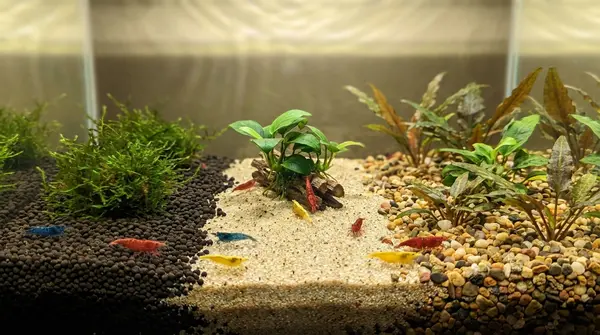
Best Substrate for Shrimp Tanks: Complete Comparison
Choosing the right substrate is crucial for shrimp health and breeding success. This complete comparison covers aquasoil, sand, and gravel options for different shrimp species.
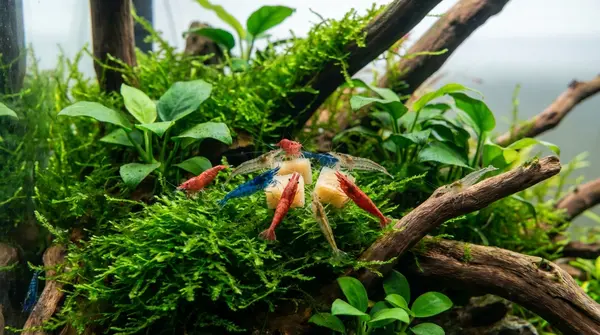
How to Make Your Own Shrimp Food at Home: Complete DIY Guide
Discover how to create cost-effective, nutritious homemade shrimp food that promotes better growth and breeding. Get proven recipes and step-by-step instructions.
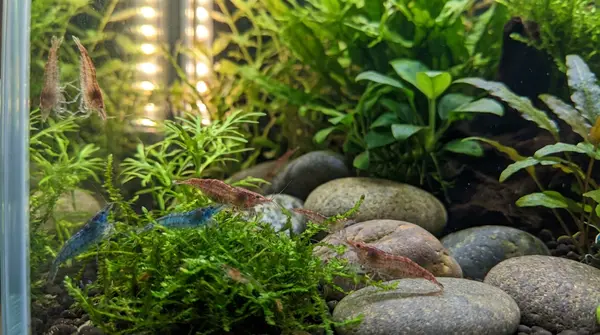
Why Is My Shrimp Swimming Erratically? Complete Troubleshooting Guide
When your shrimp suddenly start darting around frantically, it's usually a cry for help. Learn to identify the causes and implement life-saving solutions quickly.