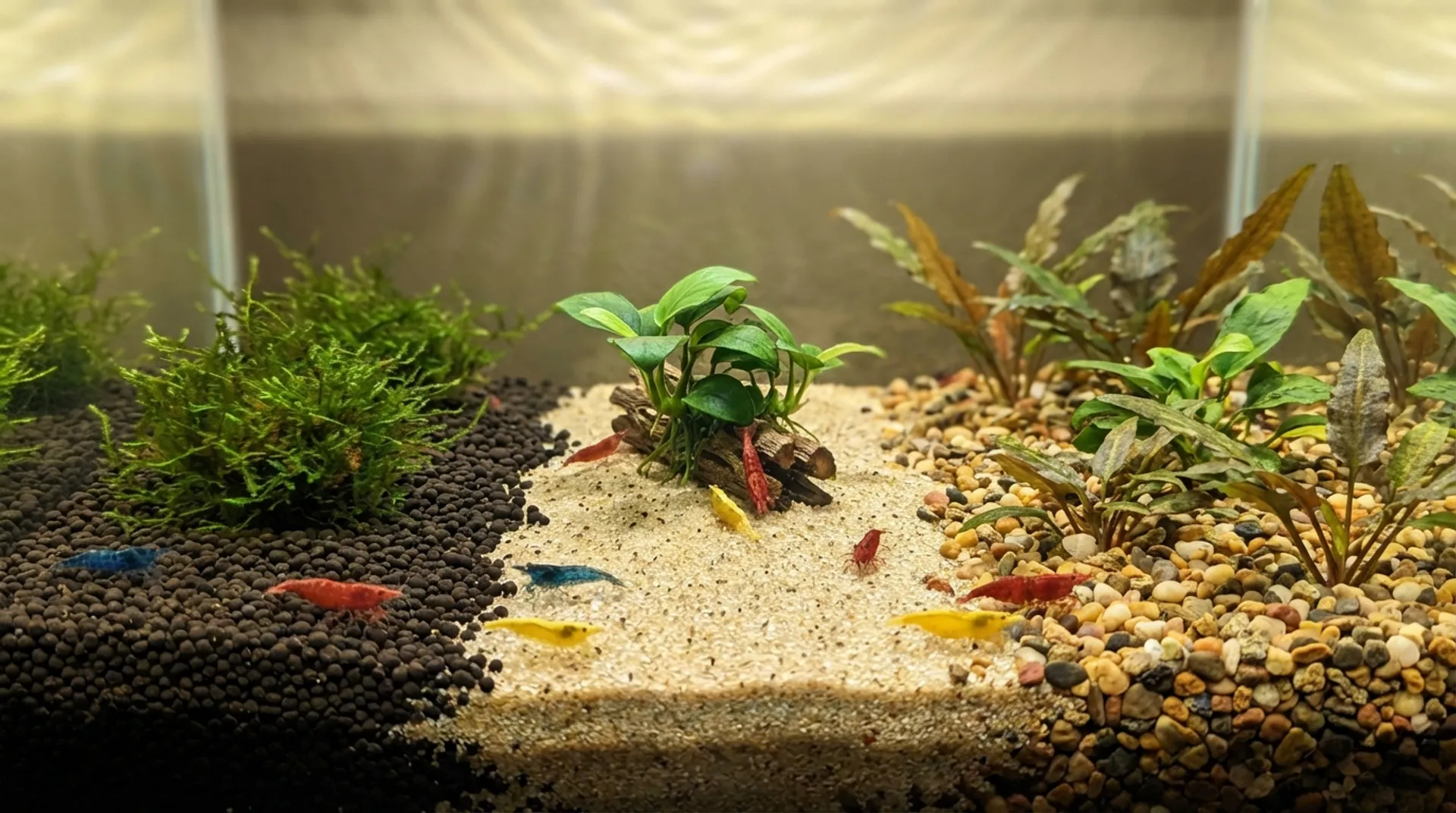
Walking into your local fish store, you’re faced with an overwhelming wall of substrate options. Sand, gravel, aquasoil, crushed coral—each promising to be the “best” for your shrimp tank. But here’s the truth: the wrong substrate choice can mean the difference between a thriving shrimp colony and constant water parameter struggles.
Your substrate isn’t just decorative—it’s the foundation of your entire aquatic ecosystem. It provides surface area for beneficial bacteria, supports plant growth, and creates the microenvironments your shrimp need to thrive. More importantly, different shrimp species have vastly different substrate requirements that directly impact their health, breeding success, and survival.
In this comprehensive guide, we’ll break down exactly which substrates work best for different shrimp species, compare the pros and cons of each option, and give you the specific parameters you need for success. Whether you’re keeping hardy cherry shrimp or delicate Crystal Red Caridina, you’ll know exactly what to put in your tank.
Understanding Shrimp Substrate Requirements
Before diving into specific products, it’s essential to understand what makes a substrate truly shrimp-friendly. Your substrate needs to fulfill several critical functions that directly impact your shrimp’s wellbeing.
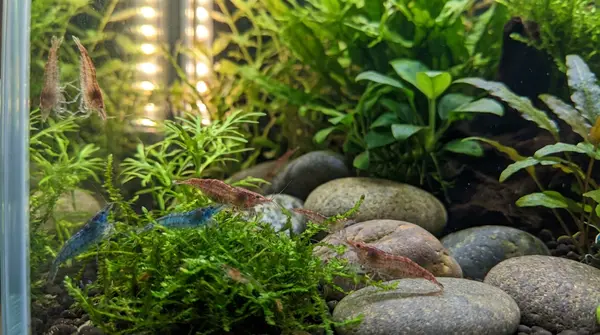
First, substrate provides surface area for biofilm development—the microscopic layer of bacteria and algae that shrimp constantly graze on. This biofilm is a primary food source, especially for shrimplets, so substrates with more surface area support better nutrition and colony growth.
Second, particle size matters enormously. The ideal granule size ranges from 0.25-2mm, creating countless tiny crevices where baby shrimp can hide from predators and find food. Substrates that are too fine (like play sand) compact easily and limit hiding spots, while overly coarse substrates (larger than 4mm) provide fewer surface areas for biofilm.
Finally, substrate directly impacts water chemistry through pH buffering and nutrient release. This is where the major distinction between shrimp species becomes crucial—hardy Neocaridina species like cherry shrimp tolerate neutral to slightly alkaline conditions, while sensitive Caridina species require soft, acidic water that only specialized substrates can provide.
Pro tip: Always match your substrate choice to your shrimp species first, then consider aesthetics. A beautiful substrate that crashes your pH will quickly become an expensive mistake.
Aquasoil: The Premium Choice for Planted Tanks
Aquasoils represent the premium substrate category, specifically designed for heavily planted aquariums with demanding species. These nutrient-rich, active substrates offer powerful pH buffering capabilities that make them essential for certain shrimp species.
Active Buffering Properties
The defining characteristic of quality aquasoils is their ability to lower and stabilize pH to acidic levels (5.5-6.8), making them perfect for Caridina species like Crystal Red, Crystal Black, and Taiwan Bee shrimp. Products like ADA Amazonia, Fluval Shrimp Stratum, and Brightwell Aquatics Shrimp Soil actively remove carbonates from water, maintaining the soft, acidic conditions these shrimp require.
This buffering capacity typically lasts 12-18 months before gradually weakening, at which point you may need to supplement with RO water and remineralizers to maintain parameters.
Plant Growth Benefits
Aquasoils excel at supporting plant growth through slow-release nutrients, creating lush planted environments that benefit both shrimp and plants. The dark coloration provides excellent contrast for showcasing brightly colored shrimp, while the porous structure supports massive beneficial bacteria colonies.
Important Considerations
Newer aquasoils like ADA Amazonia can release significant ammonia during the first 4-6 weeks, requiring extended cycling periods. Always avoid adding shrimp until ammonia and nitrite readings consistently show 0 ppm. Some experienced keepers prefer “seasoned” soils like ADA Amazonia Ver.2 that produce less initial ammonia.
Expected cost ranges from $25-40 per 8-liter bag, making aquasoil a significant investment that pays dividends in plant growth and water stability.
Sand: The Natural and Economical Option
Sand substrates offer an economical, natural-looking foundation that works exceptionally well for many shrimp setups, particularly those focusing on Neocaridina species or budget-conscious beginners.
Top Sand Choices
Pool filter sand stands out as the most popular choice, offering pre-washed convenience, neutral pH, and exceptional value at under $10 for a 50-pound bag. The fine, uniform particles create excellent surface area for biofilm while maintaining easy maintenance.
CaribSea Super Naturals River Sand provides similar benefits with more color options, while Black Diamond Blasting Sand offers a striking dark appearance that makes colorful shrimp pop visually.
Sand Advantages and Limitations
Sand excels in several areas: it’s completely inert (won’t alter water parameters), provides enormous surface area for beneficial bacteria, and creates a natural substrate for bottom-dwelling species. The fine particles also showcase shrimp behavior beautifully as they sift and forage.
However, sand has notable limitations. The compact nature provides fewer hiding spots for shrimplets compared to coarser substrates. Plant growth can be challenging since fine sand doesn’t provide ideal root anchorage for most species. Additionally, sand requires careful maintenance to avoid anaerobic pockets that can produce harmful hydrogen sulfide.
Pro tip: If using sand in planted tanks, consider mixing in 20-30% fine gravel or adding root tabs for plant nutrition.
Gravel: Versatile and Maintenance-Friendly
Gravel substrates offer the perfect middle ground between functionality and ease of maintenance, making them excellent choices for mixed community tanks or beginners wanting reliable results.
Premium Gravel Options
CaribSea Eco-Complete stands out as the top gravel choice for shrimp keepers. This nutrient-enriched substrate provides excellent plant support while remaining pH neutral, making it perfect for Neocaridina species. The dark color creates stunning contrast with bright shrimp colors, while the 2-4mm particle size offers good hiding spots without trapping excessive debris.
Fluorite Red and other Seachem Fluorite products provide similar plant-supporting benefits with various color options. For budget-conscious setups, CaribSea Super Naturals Gemstone Creek offers attractive appearance at lower cost.
Gravel Benefits
Gravel’s larger particle size makes maintenance significantly easier than sand—debris settles on top rather than mixing throughout the substrate, making vacuum cleaning straightforward. The spaces between particles provide excellent water flow and prevent anaerobic conditions.
The coarser texture also provides more three-dimensional hiding spaces that shrimplets appreciate, potentially improving survival rates in community tanks.
Species Compatibility
Gravel works excellently for hardy Neocaridina species that tolerate neutral to slightly alkaline pH (6.5-8.0). For Caridina species requiring acidic conditions, standard gravel alone isn’t sufficient—you’d need to combine it with RO water systems and careful parameter management.
Water Parameter Considerations by Substrate Type
Different substrates create distinct water chemistry environments that directly impact which shrimp species will thrive in your tank.
Inert Substrates (Sand and Most Gravels)
- pH Range: 6.5-8.0 (depends on source water)
- GH/KH: Unchanged from source water
- TDS: 150-300 ppm typical
- Best for: Neocaridina species (Cherry, Blue Dream, Yellow, etc.)
- Temperature: 68-78°F (20-26°C)
Active Buffering Substrates (Aquasoils)
- pH Range: 5.5-6.8 (actively maintained)
- GH: 4-6 dGH recommended
- KH: 0-2 dKH (low buffering capacity essential)
- TDS: 120-180 ppm with remineralized RO water
- Best for: Caridina species (Crystal Red, Bee shrimp, etc.)
- Temperature: 68-72°F (20-22°C) preferred
Setup and Maintenance Best Practices
Proper substrate installation and ongoing maintenance are crucial for long-term success with any substrate choice.
Installation Guidelines
Maintain 1-2 inches of substrate depth throughout your tank. This provides adequate root space for plants while avoiding deep anaerobic zones. Rinse inert substrates thoroughly until water runs clear, but never rinse active soils as this removes beneficial nutrients.
When adding substrate to your tank, pour slowly to minimize cloudiness and consider using a plate or bowl to disperse water flow during initial filling.
Cycling Requirements
All substrates require 4-6 weeks of cycling to establish beneficial bacteria colonies before adding shrimp. Monitor ammonia, nitrite, and nitrate levels throughout this period, ensuring ammonia and nitrite reach 0 ppm before introducing livestock.
Active substrates may extend cycling time due to initial nutrient release, so patience is essential for long-term success.
Ongoing Maintenance
Perform gentle substrate vacuuming during weekly water changes, removing visible debris while avoiding deep disturbance that could harm beneficial bacteria. Maintain consistent water change schedules of 15-20% weekly to prevent parameter swings.
Monitor pH regularly with quality test kits, as active substrates gradually lose buffering capacity over 12-18 months.
Conclusion
Choosing the right substrate sets the foundation for your entire shrimp keeping journey. For hardy Neocaridina species like cherry shrimp, CaribSea Eco-Complete offers the best balance of plant support, biofilm development, and visual appeal. Budget-conscious keepers will find excellent results with pool filter sand, while those keeping sensitive Caridina species should invest in specialized aquasoils like Fluval Shrimp Stratum.
Remember that substrate choice impacts every aspect of your tank’s ecosystem—from water chemistry to plant growth to breeding success. Take time to research your specific shrimp species’ requirements, plan for proper cycling time, and choose quality products that will support your colony for years to come. With the right substrate foundation, you’ll be well on your way to maintaining a thriving, breeding shrimp colony that brings years of enjoyment.
Frequently Asked Questions
CaribSea Eco-Complete is the top choice for cherry shrimp, providing excellent biofilm growth, neutral pH buffering, and dark contrast to showcase shrimp colors. Pool filter sand is a budget-friendly alternative.
Yes, Caridina shrimp like Crystal Red require active buffering soils such as Fluval Shrimp Stratum or ADA Amazonia to maintain acidic pH (5.5-6.8) and soft water conditions they need for survival.
Regular gravel works for hardy Neocaridina shrimp but provides less biofilm surface area than specialized substrates. Choose fine gravel (2-4mm) and avoid sharp edges that could harm molting shrimp.
Maintain 1-2 inches of substrate depth for optimal plant rooting and beneficial bacteria colonization. Deeper substrates can create anaerobic pockets that produce harmful gases.
Absolutely. The right substrate provides hiding spots for shrimplets, supports biofilm growth for food, and maintains stable water parameters essential for successful breeding and molting.
Always rinse inert substrates like sand and gravel until water runs clear. Never rinse active soils like aquasoil as this removes beneficial nutrients and can cause cloudiness.
Get the Right Gear for Your Setup
Learn about remineralizers, test kits, and essential equipment for successful shrimp keeping.
Remineralizer GuideRelated Articles
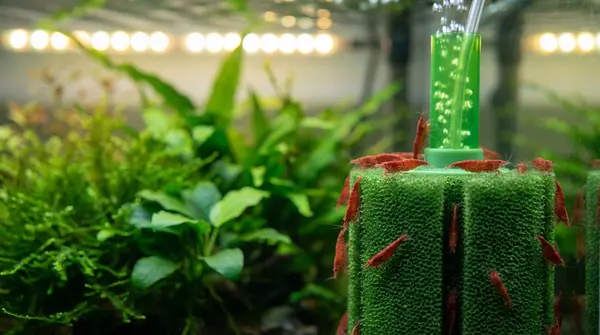
Best Sponge Filters for Shrimp Tanks: Complete Guide to Safe Filtration
Sponge filters are the gold standard for shrimp tanks, providing gentle biological filtration while promoting natural biofilm growth. Learn which models excel for different tank sizes and setups.
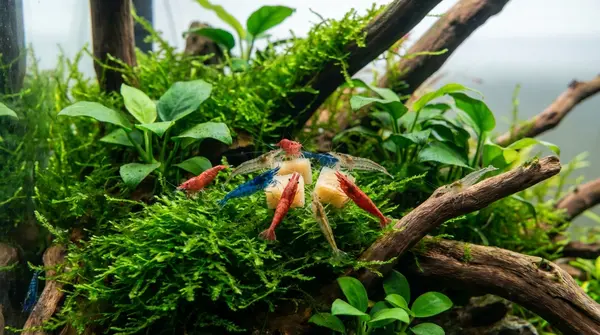
How to Make Your Own Shrimp Food at Home: Complete DIY Guide
Discover how to create cost-effective, nutritious homemade shrimp food that promotes better growth and breeding. Get proven recipes and step-by-step instructions.
Why Is My Shrimp Swimming Erratically? Complete Troubleshooting Guide
When your shrimp suddenly start darting around frantically, it's usually a cry for help. Learn to identify the causes and implement life-saving solutions quickly.