When you’re standing in front of the aquarium store display, staring at two tanks of seemingly similar freshwater shrimp, the choice between Ghost Shrimp and Cherry Shrimp might seem straightforward. But dig a little deeper, and you’ll discover these species couldn’t be more different in their care requirements, behavior, and what they bring to your aquarium ecosystem.
Both species have earned devoted followings among aquarists, but for completely different reasons. Ghost Shrimp (Palaemonetes paludosus) are the workhorses of the shrimp world - transparent, hardy, and incredibly effective at keeping tanks clean. Cherry Shrimp (Neocaridina davidi), on the other hand, are the colorful jewels that transform any aquarium into a living artwork.
Understanding these differences is crucial because choosing the wrong species for your setup, experience level, or goals can lead to frustration, unexpected costs, or even shrimp mortality. Let’s dive into the complete comparison to help you make the perfect choice.
Size and Appearance: The Obvious Differences
The most immediate difference you’ll notice is size. Ghost Shrimp are significantly larger, reaching up to 2 inches in length, while Cherry Shrimp max out around 0.5 to 1 inch. This size difference affects everything from tank requirements to feeding behavior.
Ghost Shrimp earned their name from their completely transparent, glass-like appearance. You can literally see their internal organs and food moving through their digestive system. This transparency makes them excellent for educational purposes but less visually striking as display animals.
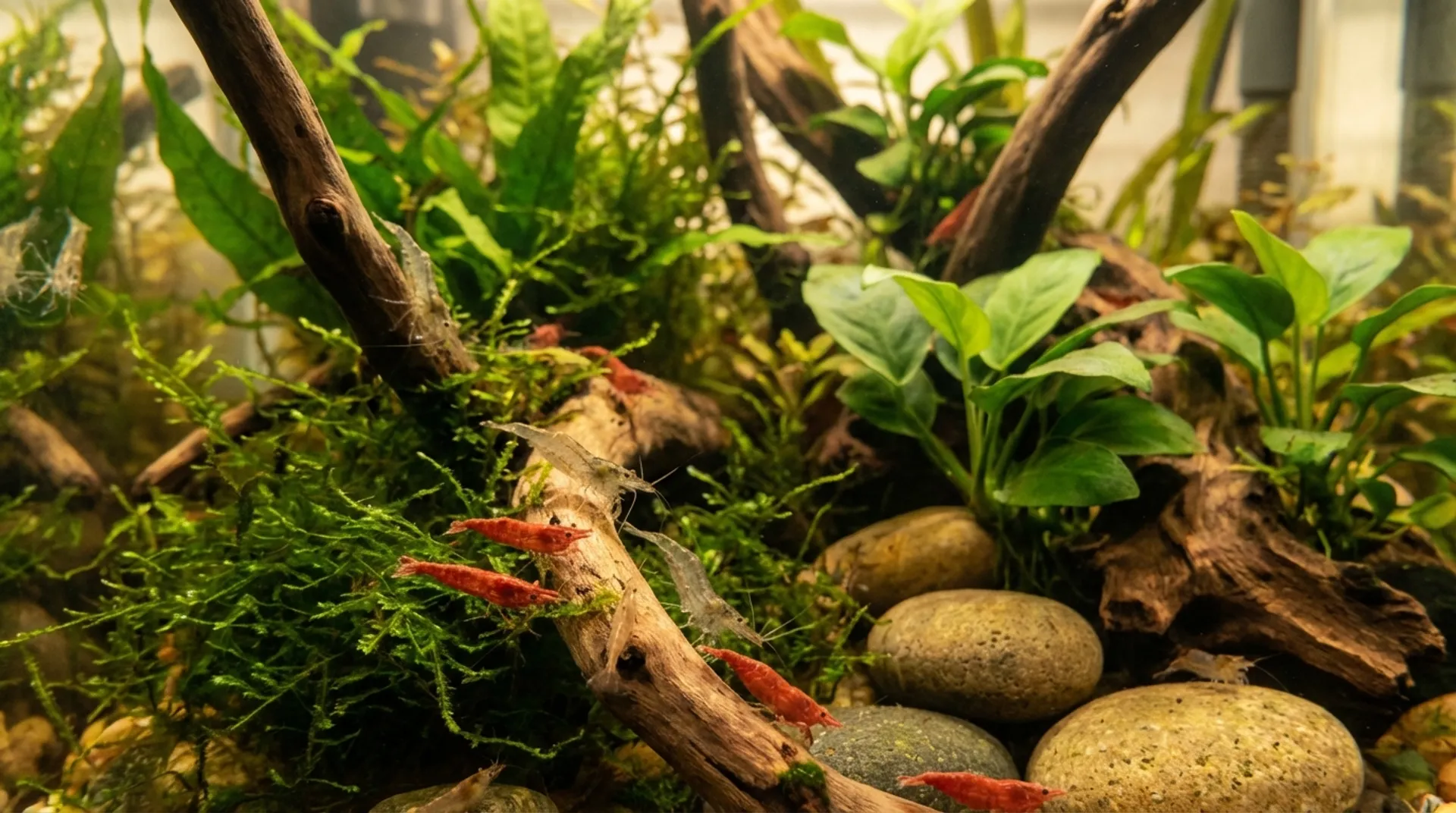
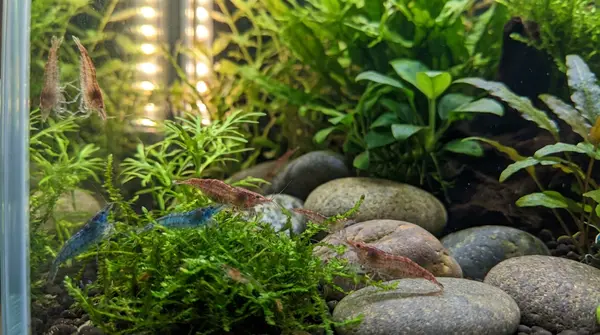
Cherry Shrimp, conversely, come in a rainbow of vibrant colors:
- Red Cherry Shrimp: The classic bright red variety
- Blue Dream Shrimp: Stunning electric blue
- Yellow Shrimp: Bright golden yellow
- Orange Shrimp: Warm sunset orange
- Chocolate Shrimp: Rich brown coloration
The color intensity in Cherry Shrimp varies with genetics, diet, and water parameters, with high-grade specimens commanding premium prices.
Water Parameters: Hardy vs Stable
Ghost Shrimp Water Requirements:
- Temperature: 65-80°F (18-27°C) - very tolerant of fluctuations
- pH: 7.0-8.0 (can adapt to wider range)
- GH: 3-15 (extremely adaptable)
- KH: 2-10
- TDS: 150-300 ppm
Cherry Shrimp Water Requirements:
- Temperature: 65-78°F (18-25°C) - prefer stability
- pH: 6.5-8.0 (need consistent levels)
- GH: 6-12 (critical for molting)
- KH: 2-8
- TDS: 150-250 ppm
The key difference here is tolerance versus preference. Ghost Shrimp can survive in suboptimal conditions that would stress or kill Cherry Shrimp. This makes Ghost Shrimp ideal for beginners still learning water chemistry management.
Pro tip: If you’re new to shrimp keeping, start with Ghost Shrimp to master basic care before investing in more expensive Cherry Shrimp. The hardy nature of Ghost Shrimp provides a forgiving learning environment.
Tank Size and Setup Requirements
Ghost Shrimp Tank Requirements:
- Minimum tank size: 10 gallons for 10-20 shrimp
- Ideal setup: 20+ gallons for larger colonies
- Special needs: More hiding spots due to occasional aggression
- Filtration: Standard aquarium filtration works well
Cherry Shrimp Tank Requirements:
- Minimum tank size: 5 gallons for small groups
- Ideal setup: 10-20 gallons for breeding colonies
- Special needs: Stable parameters more important than space
- Filtration: Sponge filters preferred to protect tiny shrimplets
Ghost Shrimp need more physical space due to their larger size and tendency to be more aggressive with each other during feeding time. Cherry Shrimp are more peaceful and can thrive in smaller spaces as long as water quality remains stable.
Behavior and Temperament: Aggressive vs Peaceful
The behavioral differences between these species are striking and significantly impact tank dynamics.
Ghost Shrimp Behavior:
- Highly active and visible during the day
- Can be aggressive toward each other during feeding
- Excellent scavengers that actively hunt for food
- May occasionally nip at very small tankmates
- More territorial, especially in smaller tanks
Cherry Shrimp Behavior:
- Generally peaceful and shy
- Constantly grazing on surfaces
- Less competitive during feeding time
- Form tight-knit colonies in established tanks
- Rarely show aggression toward tankmates
This behavioral difference affects tank compatibility. Ghost Shrimp work better with fish that can handle some assertiveness, while Cherry Shrimp are ideal for peaceful community tanks.
Diet and Feeding: Voracious vs Grazing
Both species are omnivorous, but their feeding styles differ significantly.
Ghost Shrimp Diet:
- Aggressive scavengers that consume large amounts
- Excel at eating leftover fish food and detritus
- Prefer protein-rich foods like bloodworms and brine shrimp
- Will eat soft algae but aren’t algae specialists
- Need supplemental feeding in clean tanks
Cherry Shrimp Diet:
- Constant grazers focusing on biofilm and algae
- Prefer plant-based foods and algae wafers
- Less efficient at cleaning up large food debris
- Can survive longer periods without supplemental feeding
- Benefit from calcium-rich foods for proper molting
For cleanup duties, Ghost Shrimp are far superior. A colony of Ghost Shrimp can handle significant amounts of excess food and organic waste that would overwhelm Cherry Shrimp.
Breeding: Challenging vs Straightforward
Breeding success varies dramatically between these species.
Ghost Shrimp Breeding:
- Larvae are planktonic and extremely difficult to raise
- Require specialized foods like infusoria and rotifers
- Most home aquarists never successfully raise larvae
- Breeding possible but not practical for most hobbyists
Cherry Shrimp Breeding:
- Direct development with no larval stage
- Females carry eggs for 3-4 weeks
- Shrimplets are born as miniature adults
- Colonies can explode in population under good conditions
- Easy breeding makes them excellent for establishing colonies
If you want a self-sustaining shrimp population, Cherry Shrimp are the clear winner.
Cost Comparison: Budget vs Investment
The price difference between these species is substantial and reflects their different breeding difficulty and demand.
Ghost Shrimp Pricing:
- Typically $0.50-$2.00 each
- Often sold in bulk quantities
- Replacements are inexpensive
- Ideal for budget-conscious setups
Cherry Shrimp Pricing:
- Range from $3-$15+ each depending on grade and color
- High-grade specimens command premium prices
- Replacement costs add up quickly
- Better viewed as an investment in living artwork
The research shows you can often buy 20 Ghost Shrimp for the price of a single Cherry Shrimp, making the economic difference quite significant for new aquarists.
Tank Compatibility and Community Tanks
Ghost Shrimp Compatibility:
- Work well with small, peaceful fish like guppies and tetras
- Can handle slightly more aggressive tankmates
- Size makes them less likely to be eaten
- May occasionally harass very small or slow fish
Cherry Shrimp Compatibility:
- Best with extremely peaceful fish or shrimp-only tanks
- Easily eaten by larger fish due to small size
- Ideal for nano tanks and peaceful communities
- Perfect tankmates for small fish like chili rasboras
Consider your existing fish when making your choice, as compatibility issues can lead to expensive losses.
Which Species Should You Choose?
Choose Ghost Shrimp if you:
- Are new to shrimp keeping
- Want effective algae and detritus control
- Have a limited budget
- Keep slightly aggressive fish
- Prefer low-maintenance cleanup crews
- Don’t mind less colorful livestock
Choose Cherry Shrimp if you:
- Want colorful, display-quality shrimp
- Plan to breed and sell offspring
- Have stable, established tanks
- Keep peaceful community fish
- Enjoy observing complex social behaviors
- Don’t mind higher initial costs
Conclusion
The choice between Ghost Shrimp and Cherry Shrimp ultimately comes down to your priorities, experience level, and budget. Ghost Shrimp offer unmatched hardiness and cleaning power at budget-friendly prices, making them perfect for beginners or anyone wanting effective tank maintenance. Cherry Shrimp provide stunning colors and fascinating breeding opportunities but require more stable conditions and represent a larger financial investment.
Whichever species you choose, both can bring years of enjoyment to your aquarium. Start with the species that best matches your current setup and experience level - you can always expand to keep both species in separate tanks as your hobby grows. Remember, success with either species starts with understanding their unique needs and providing appropriate care from day one.
Frequently Asked Questions
Ghost Shrimp are larger (up to 2 inches), translucent, and excellent scavengers, while Cherry Shrimp are smaller (0.5-1 inch), colorful, and better for display purposes. Ghost Shrimp are also much cheaper and hardier.
Ghost Shrimp are more beginner-friendly due to their hardiness and tolerance of water parameter fluctuations. They're also significantly cheaper, making mistakes less costly while learning proper shrimp care.
They can coexist in larger tanks (20+ gallons) with plenty of hiding spots, but Ghost Shrimp may occasionally nip at smaller Cherry Shrimp. Separate tanks are often recommended for best results.
Ghost Shrimp are superior algae eaters and general scavengers, consuming more volume of detritus and soft algae. Cherry Shrimp graze algae but are less voracious cleaners overall.
Ghost Shrimp are significantly cheaper - you can typically buy 20 Ghost Shrimp for the price of one Cherry Shrimp. This makes them ideal for budget-conscious aquarists or those wanting large cleanup crews.
Cherry Shrimp breed much more easily, with females carrying eggs that hatch into independent shrimplets. Ghost Shrimp have planktonic larvae that require specialized care and microfauna to survive.
Track Your Parameters Like a Pro
Stop guessing if your water is right. ShrimpKeeper tracks TDS, GH, KH, pH, and temperature with species-specific recommendations.
Download FreeRelated Articles
Crystal Red Shrimp vs Cherry Shrimp: Which Is Right for You?
Choosing between Crystal Red Shrimp and Cherry Shrimp? Our comprehensive comparison covers water parameters, breeding difficulty, costs, and care requirements to help you decide which species fits your experience level and tank setup.
How to Make Your Own Shrimp Food at Home: Complete DIY Guide
Discover how to create cost-effective, nutritious homemade shrimp food that promotes better growth and breeding. Get proven recipes and step-by-step instructions.
Why Is My Shrimp Swimming Erratically? Complete Troubleshooting Guide
When your shrimp suddenly start darting around frantically, it's usually a cry for help. Learn to identify the causes and implement life-saving solutions quickly.