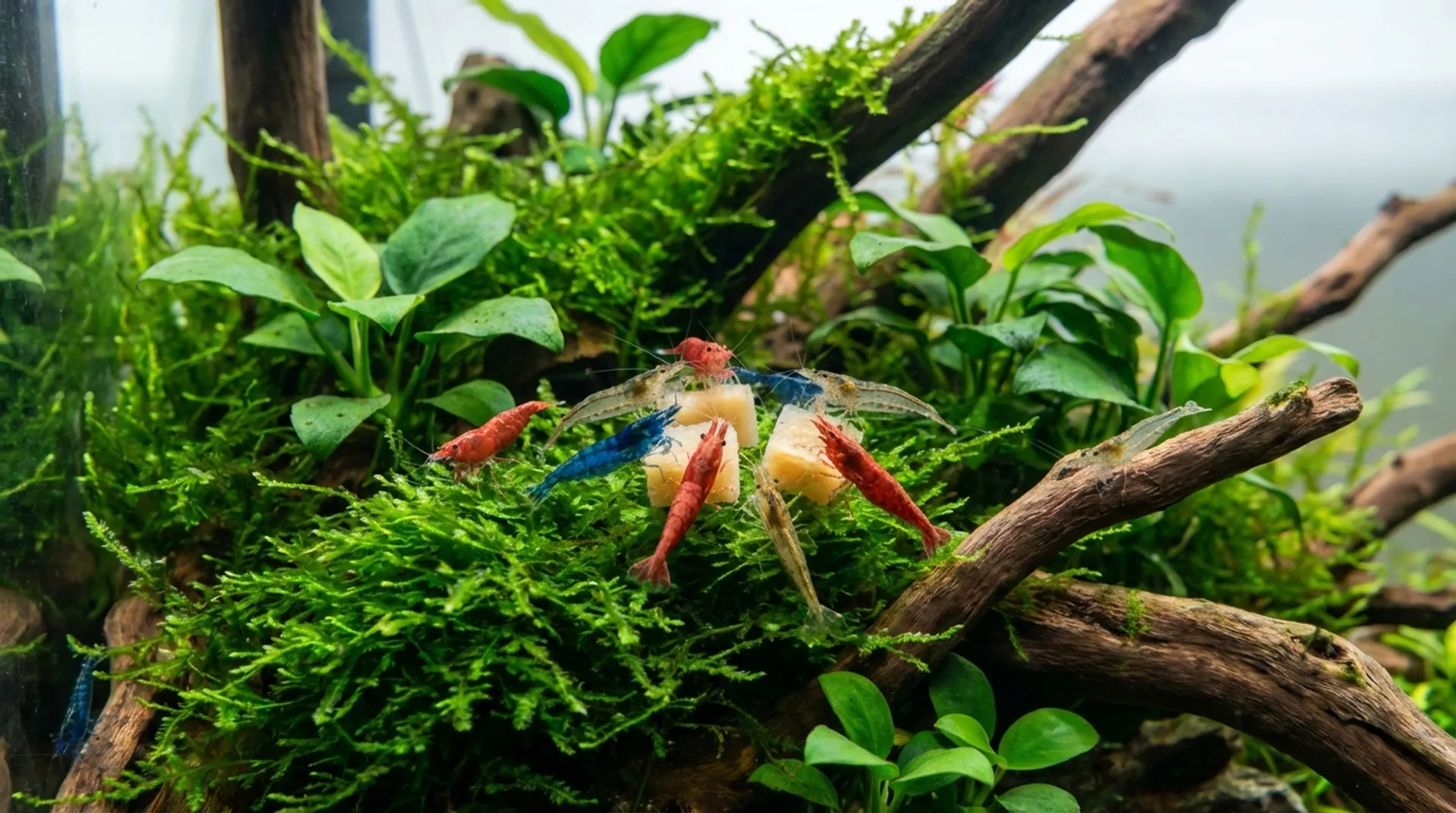
Making your own shrimp food at home isn’t just a cost-saving measure—it’s one of the best investments you can make in your shrimp colony’s health and breeding success. While commercial foods are convenient, many experienced shrimp keepers report significantly better growth rates, more vibrant colors, and increased breeding activity when switching to homemade alternatives.
The beauty of DIY shrimp food lies in complete control over ingredients and nutrition. You can tailor recipes to your specific shrimp species, avoid unwanted preservatives, and create food that’s fresher than anything you’ll find on store shelves. Plus, you’ll often use ingredients that would otherwise go to waste, making it an environmentally friendly choice.
In this comprehensive guide, we’ll walk you through everything you need to know about creating nutritious, cost-effective homemade shrimp food that will have your colony thriving.
Understanding Shrimp Nutritional Needs
Before diving into recipes, it’s crucial to understand what makes shrimp food nutritious. Freshwater aquarium shrimp require a balanced diet that mimics their natural omnivorous feeding habits.
Protein Requirements: Shrimp need high-protein food with at least 50% protein content by dry weight for optimal growth and breeding. In the wild, they consume biofilm, algae, detritus, and small organisms—all rich in protein and minerals.
Essential Components:
- Protein sources: Fish, shrimp, chicken, spirulina, chlorella
- Vegetables and algae: Spinach, kale, peas for vitamins and fiber
- Minerals: Montmorillonite clay, bee pollen for gut health and molting support
- Carbohydrates: Oats, maize meal as energy sources and binding agents
- Calcium: Essential for proper exoskeleton development and molting
Pro tip: Rotate between different recipe types (high-protein vs. veggie-heavy) to provide variety and prevent nutritional deficiencies, just like shrimp would experience in nature.
Essential Ingredients and Equipment
Core Ingredients
Protein Sources:
- Fresh or cooked fish fillets (salmon, white fish)
- Cooked shrimp or krill
- Cooked chicken (no seasoning)
- Spirulina powder
- Chlorella powder
Vegetables:
- Spinach (fresh or frozen)
- Kale
- Courgette (zucchini)
- Peas
- Carrots
- Broccoli
- Cauliflower
Binding Agents:
- Plain gelatin powder
- Agar powder (vegetarian alternative)
- Pectin
Nutritional Boosters:
- Montmorillonite clay
- Bee pollen
- Brewer’s yeast
- Indian almond leaf powder
Equipment Needed
- Food processor or high-powered blender
- Kitchen scale for accurate measurements
- Shallow baking pans or ice cube trays
- Storage containers or freezer bags
- Fine mesh strainer
High-Protein Gel Food Recipe
This recipe creates a nutrient-dense gel food that’s perfect for promoting breeding and rapid growth.
Ingredients
- 16 oz raw or cooked protein (fish, shrimp, or chicken), cut small
- 1-2 oz spirulina or chlorella powder
- 1.5 oz plain gelatin (approximately 6 envelopes)
- 15 oz water (divided)
- Optional: 5 oz mixed vegetables (spinach, carrots)
Instructions
-
Prepare the base: Blend 5 oz water with your protein source and vegetables until you achieve a smooth paste.
-
Prepare gelatin: In a separate pot, bring 10 oz water to a boil. Remove from heat and gradually whisk in gelatin powder until completely dissolved.
-
Combine: Allow gelatin mixture to cool to hot (but not burning) temperature. Add to blender with protein mixture and blend until well combined.
-
Set the food: Pour mixture into shallow pans about 1 inch thick. Refrigerate for 2-3 hours until completely set.
-
Storage: Cut into small cubes and freeze in portions. This recipe provides 3-4 months of food when properly stored.
Vegetable-Based Gel Tabs
Perfect for regular feeding and maintaining digestive health, this recipe uses readily available vegetables.
Ingredients
- Mixed vegetables: courgette, cucumber, kale, spinach (large handfuls)
- Small amounts: carrot, broccoli, cauliflower
- 2 cooked white fish fillets
- 4 garlic cloves (optional, for antibacterial properties)
- 1 teaspoon commercial shrimp food powder
- 1 teaspoon montmorillonite clay powder
- Gelatin powder as needed for binding
Instructions
-
Process vegetables: Cook or blanch harder vegetables (carrot, broccoli) until soft. Process all vegetables, fish, and garlic into a thick paste.
-
Add supplements: Mix in shrimp food powder and clay powder for additional minerals.
-
Bind the mixture: Gradually add gelatin powder while mixing until the consistency holds together well.
-
Form tabs: Spread mixture 1 inch thick on a lined tray. Refrigerate overnight.
-
Cut and store: Cut into feeding-sized tabs and freeze in labeled bags.
No-Cook Powder Mix
Ideal for beginners or when you need food quickly, this simple recipe requires no cooking.
Ingredients
- Equal parts: dried kale, spinach, soybeans
- Spirulina powder
- Chlorella powder
- ½ teaspoon mineral powder per batch
Instructions
-
Grind ingredients: Use a coffee grinder or food processor to create a fine powder from all dry ingredients.
-
Mix thoroughly: Combine all powders, ensuring even distribution.
-
Prepare for feeding: Mix small amounts with tank water to form a paste, or sprinkle dry powder directly into the tank.
-
Storage: Store powder mix in an airtight container for up to 6 months.
Pro tip: Create different powder blends—one high in protein (more soybean and spirulina) and another vegetable-heavy (more kale and spinach) to provide dietary variety.
Dried Sheet Food
This method creates long-lasting food sheets that shrimp love to graze on.
Ingredients
- Aquarium plant trimmings (duckweed, elodea)
- Oats (as thickener)
- Maize flour
- Spirulina powder
- Bee pollen
- Optional: spinach, mulberry leaves
Instructions
-
Create base: Blend plant trimmings with small amounts of water to create a thick paste.
-
Thicken: Add oats and maize flour until the mixture reaches a spreadable consistency.
-
Enhance nutrition: Mix in spirulina and bee pollen for additional nutrients.
-
Dry the sheets: Spread thinly on parchment paper and air dry, or use a low oven (150°F) for faster results.
-
Break and store: Once completely dry, break into feeding-sized pieces and store in airtight containers.
Feeding Guidelines and Tips
Feeding Frequency and Amount
- Feed homemade food 2-3 times per week
- Use pea-sized portions for every 10-15 adult shrimp
- Remove uneaten food after 24 hours to prevent water quality issues
- Supplement with biofilm from plants and occasional treats
Storage Best Practices
- Freeze gel foods in ice cube trays for easy portioning
- Label containers with contents and date
- Thaw only what you need for each feeding
- Properly stored food maintains quality for 3-4 months
Feeding Behavior Observations
- Healthy shrimp will immediately investigate new food
- Breeding females often show increased appetite
- Shrimplets benefit from finely powdered versions
- Competition during feeding indicates good food acceptance
Pro tip: Test new recipes in small batches first. Shrimp preferences can vary between colonies, and you’ll want to ensure acceptance before making large quantities.
Troubleshooting Common Issues
Food Falls Apart: Increase gelatin or agar content. Ensure proper cooling time before cutting.
Shrimp Won’t Eat: Try different ingredient combinations. Some colonies prefer fish-based foods while others favor vegetable mixes.
Cloudy Water After Feeding: Reduce portion size or increase water flow. Remove uneaten food more quickly.
Food Spoils Quickly: Ensure complete cooling before storage. Check freezer temperature and container sealing.
Cost Comparison and Benefits
Making your own shrimp food typically costs 60-70% less than premium commercial foods while providing superior nutrition. A single batch can feed a colony of 50-100 shrimp for 2-3 months.
Additional Benefits:
- Complete ingredient control
- No unwanted preservatives
- Fresher nutrition
- Customizable for specific needs
- Reduces food waste from kitchen scraps
- Better breeding results reported by most users
Conclusion
Creating your own shrimp food at home is one of the most rewarding aspects of shrimp keeping. Not only does it save money and reduce waste, but it also provides your colony with nutrition that’s tailored to their specific needs. The recipes in this guide have been tested by countless shrimp keepers and consistently produce excellent results in terms of growth, coloration, and breeding success.
Start with one recipe that appeals to you, observe how your shrimp respond, and gradually experiment with variations. Remember that the best shrimp food is one that your particular colony enjoys eating—and with homemade food, you have complete control over creating that perfect recipe. Your shrimp will thank you with vibrant colors, active behavior, and thriving offspring.
Frequently Asked Questions
Essential ingredients include spirulina powder, vegetables like spinach and kale, protein sources (fish, shrimp, or chicken), gelatin as a binder, and optional minerals like montmorillonite clay or bee pollen for enhanced nutrition.
Feed your shrimp homemade food 2-3 times per week using pea-sized amounts. Remove any uneaten food after 24 hours to prevent water quality issues.
Properly prepared homemade shrimp food can be frozen for 3-4 months. Store in small portions and thaw only what you need for each feeding session.
Homemade food offers superior nutrition control, costs less, and many shrimp keepers report better growth and breeding rates. You can customize recipes for specific nutritional needs.
Aim for a protein content of 50% or higher by dry weight for optimal growth and breeding. This can be achieved using fish, shrimp, chicken, or high-protein powders like spirulina.
Yes, you can create no-cook powder mixes by grinding ingredients like kale, spinach, spirulina, and soybeans, then mixing with tank water to form a paste before feeding.
Optimize Your Feeding Schedule
Track what you feed and when with ShrimpKeeper. Never overfeed again.
Download FreeRelated Articles
What Do Shrimp Eat? Complete Feeding Guide for Healthy Freshwater Shrimp
Discover the complete guide to feeding freshwater aquarium shrimp, from natural biofilm grazing to commercial foods and proper feeding schedules for optimal health.
How Often Should You Feed Your Shrimp? The Complete Feeding Schedule Guide
Discover the optimal feeding frequency for healthy, thriving shrimp colonies. Learn when, how much, and what to feed based on your tank setup and shrimp life stages.
Why Is My Shrimp Swimming Erratically? Complete Troubleshooting Guide
When your shrimp suddenly start darting around frantically, it's usually a cry for help. Learn to identify the causes and implement life-saving solutions quickly.