Finding dead shrimp in your tank is every aquarist’s nightmare. Whether you’re discovering one casualty or facing a colony collapse, the sinking feeling is the same. The good news? Most shrimp deaths are preventable once you understand the underlying causes.
Shrimp are incredibly sensitive to water quality changes, making them excellent indicators of tank health but also vulnerable to problems that wouldn’t affect fish. Unlike their hardier tankmates, shrimp can’t tolerate even small amounts of ammonia, copper, or sudden parameter swings. This sensitivity means that when something goes wrong, it often goes wrong fast.
In this comprehensive troubleshooting guide, we’ll walk through the 15 most common reasons shrimp die, how to identify each cause, and most importantly, how to fix the problem and prevent it from happening again. Whether you’re a beginner dealing with your first losses or an experienced keeper facing mysterious deaths, this systematic approach will help you diagnose the issue and save your colony.
Emergency Action Steps
Before diving into specific causes, take these immediate steps if you’re discovering dead shrimp:
- Test water parameters immediately: Ammonia, nitrite, nitrate, pH, GH, KH, TDS, and temperature
- Remove dead shrimp: Prevent further water quality degradation
- Stop feeding and dosing: Halt all fertilizers, medications, and food until you identify the cause
- Perform partial water change: 25-30% with properly conditioned water if ammonia or nitrite are present
- Document recent changes: New plants, décor, water source, or tank maintenance
Pro tip: Take a photo of a recently deceased shrimp before removal. This can help identify whether the death was due to molting failure, predation, or disease when seeking help from experienced keepers.
The 15 Most Common Causes of Shrimp Death
1. Ammonia Poisoning (NH3/NH4+)
Symptoms: Lethargy, gasping at surface, sudden deaths after tank disturbance
Cause: Any measurable ammonia is dangerous for shrimp. Sources include overfeeding, dead organic matter, or incomplete tank cycling.
Solution: Immediate 25-50% water change with dechlorinated water. Add beneficial bacteria or established filter media. Stop feeding until ammonia reads 0 ppm consistently.
2. Nitrite and Nitrate Problems
Symptoms: Stress behaviors, reduced breeding, gradual population decline
Cause: Nitrite above 0 ppm is toxic; nitrates above 40 ppm stress sensitive species like Caridina.
Solution: Increase biological filtration, add live plants, perform regular water changes. Ensure tank is fully cycled before adding shrimp.
3. pH Instability
Symptoms: Failed molts, white ring of death, deaths following water changes
Cause: Rapid pH swings stress shrimp more than absolute pH values. Most Neocaridina tolerate 6.5-8.0, while Caridina prefer 6.0-7.0.
Solution: Buffer pH with appropriate substrates, match new water to tank pH during changes, test and adjust gradually.
4. Incorrect GH and KH Levels
Symptoms: White ring around body during molting, failed molts, soft shells
Cause: GH below 4 dGH prevents proper shell formation. KH instability causes pH swings.
Solution: Use shrimp-specific remineralizers to achieve target GH (4-8 dGH for most Neocaridina, species-specific for Caridina). Maintain stable KH with buffering substrates.
5. TDS Out of Range
Symptoms: Osmotic stress, erratic behavior, poor molting
Cause: Total Dissolved Solids should match species requirements: 150-250 TDS for most Neocaridina, 90-130 for Crystal Red Shrimp.
Solution: Use RO/DI water with appropriate remineralizers. Match bag water TDS during acclimation.
6. Temperature Fluctuations
Symptoms: Mass deaths during weather changes, seasonal die-offs
Cause: Rapid temperature changes beyond 2-3°C stress shrimp. Most species prefer 18-25°C (64-77°F).
Solution: Use reliable heater with thermostat, avoid placing tank near heat sources, insulate if necessary.
7. Copper and Heavy Metal Poisoning
Symptoms: Sudden mass deaths, shrimp turning white/pink, deaths after adding fertilizers
Cause: Copper is lethal at trace amounts. Sources include tap water, plant fertilizers, medications, and some décor.
Solution: Use only shrimp-safe fertilizers, test new tap water sources, employ copper-removing water conditioners. Remove any suspect items immediately.
8. Poor Acclimation
Symptoms: Deaths within 24-48 hours of introducing new shrimp
Cause: Sudden parameter differences between bag water and tank water shock the shrimp’s system.
Solution: Drip acclimate for 2-4 hours, matching temperature first, then slowly equalizing all parameters before transfer.
9. Molting Problems
Symptoms: Shrimp stuck in old shell, white ring of death, increased molts followed by deaths
Cause: Insufficient minerals (low GH), poor nutrition, or parameter instability during vulnerable molting period.
Solution: Maintain GH 4-8 dGH, provide calcium-rich foods, ensure stable parameters, add mineral supplements.
10. Overfeeding
Symptoms: Cloudy water, ammonia spikes, visible uneaten food
Cause: Excess food decomposes, creating toxic conditions and reducing oxygen levels.
Solution: Feed sparingly every 2-3 days, remove uneaten food within 2 hours, rely on natural biofilm growth.
11. Underfeeding or Poor Diet
Symptoms: Thin shrimp, reduced molting, poor reproduction rates
Cause: Malnutrition weakens immune system and prevents proper shell formation.
Solution: Provide varied diet including biofilm, algae wafers, blanched vegetables, and specialized shrimp foods with calcium.
12. Predation
Symptoms: Missing shrimp, empty shells, population decline despite good parameters
Cause: Fish, large snails, or pests like planaria prey on shrimp or their offspring.
Solution: Choose shrimp-safe tankmates, provide dense hiding spots, remove predators, quarantine new additions.
13. Disease and Parasites
Symptoms: Visible lesions, unusual behavior, progressive deaths, external growths
Cause: Bacterial infections, fungal issues, or parasites often following stress or injury.
Solution: Quarantine affected shrimp, improve water quality, use shrimp-safe treatments only, consult experienced keepers for diagnosis.
14. Oxygen Depletion
Symptoms: Gasping at surface, especially at night or during hot weather
Cause: Poor circulation, overstocking, excessive plant respiration, or high temperatures reducing dissolved oxygen.
Solution: Increase surface agitation, add gentle circulation, reduce bioload, maintain appropriate temperature.
15. Beginner Mistakes
Symptoms: Persistent losses despite seemingly good conditions
Cause: Mixing incompatible species, using untested décor, poor genetics from mass breeding, or accumulated stress from multiple minor issues.
Solution: Research species-specific needs, source quality breeding stock, test all additions thoroughly, maintain consistent care routines.
Systematic Troubleshooting Process
When facing shrimp deaths, follow this step-by-step diagnostic approach:
Step 1: Test all water parameters immediately Step 2: Review recent changes (last 2 weeks) Step 3: Examine deceased shrimp for clues Step 4: Address immediate threats (ammonia, copper) Step 5: Stabilize parameters gradually Step 6: Monitor closely and document changes
Pro tip: Keep a tank log noting water changes, feeding, additions, and observations. Patterns often emerge that point to specific causes, especially with intermittent problems.
Prevention Strategies
Water Management: Test parameters weekly, change 20-30% weekly with properly conditioned water, maintain stable conditions over “perfect” numbers.
Feeding Protocol: Feed every 2-3 days with appropriate portions, focus on biofilm development, supplement with calcium-rich foods monthly.
Tank Maintenance: Quarantine all new additions for 2-4 weeks, rinse and soak new décor thoroughly, use only shrimp-safe products.
Emergency Preparedness: Keep water test kits current, maintain backup heater, have emergency water conditioner and beneficial bacteria on hand.
Conclusion
Shrimp deaths are often preventable with proper understanding and preparation. The key is maintaining stable water conditions, using shrimp-safe products exclusively, and taking a systematic approach to problem-solving. Remember that shrimp are sensitive indicators of tank health—when they thrive, your entire aquarium ecosystem is likely in excellent condition.
Start by mastering the basics: consistent water parameters, proper acclimation, and conservative feeding. As you gain experience, you’ll develop the instincts to spot problems before they become fatal. Your shrimp colony can flourish for years with attention to these fundamentals and quick action when issues arise.
Frequently Asked Questions
Sudden shrimp deaths are usually caused by ammonia or nitrite spikes, copper poisoning from fertilizers or medications, or severe parameter swings after water changes. Test water immediately and perform partial water changes with dechlorinated water.
Ammonia or nitrite above 0 ppm are lethal, pH swings greater than 0.5 units, GH below 4 dGH causing molting failure, and any measurable copper content. Temperature fluctuations beyond 2-3°C also stress shrimp fatally.
Copper poisoning causes sudden mass deaths within hours of adding new fertilizers, medications, or décor. Shrimp may turn white or pink, become lethargic, then die rapidly. Always use shrimp-safe products only.
The white ring of death appears as a white band around the shrimp's body where the old exoskeleton fails to separate during molting. It's caused by low GH (below 4 dGH) or calcium deficiency.
Drip acclimate new shrimp for 2-4 hours minimum, allowing tank water to slowly mix with bag water until parameters match. Sudden parameter changes during acclimation kill more shrimp than diseases.
Yes, overfeeding causes ammonia spikes from decomposing food, creates bacterial blooms, and reduces oxygen levels. Feed shrimp sparingly every 2-3 days and remove uneaten food within 2 hours.
Track Your Parameters Like a Pro
Stop guessing if your water is right. ShrimpKeeper tracks TDS, GH, KH, pH, and temperature with species-specific recommendations.
Download FreeRelated Articles
Why Is My Shrimp Swimming Erratically? Complete Troubleshooting Guide
When your shrimp suddenly start darting around frantically, it's usually a cry for help. Learn to identify the causes and implement life-saving solutions quickly.
How to Make Your Own Shrimp Food at Home: Complete DIY Guide
Discover how to create cost-effective, nutritious homemade shrimp food that promotes better growth and breeding. Get proven recipes and step-by-step instructions.
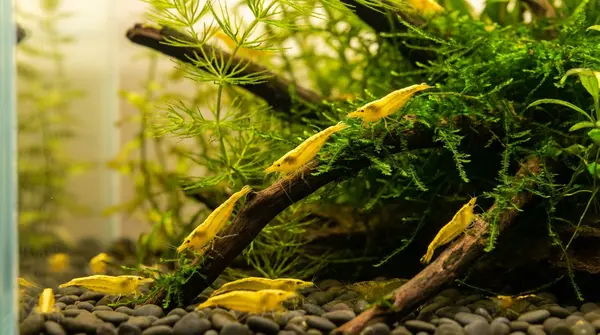
Yellow Golden Back Shrimp Care Guide: Complete Setup & Breeding Tips
Yellow Golden Back Shrimp are stunning, hardy Neocaridina perfect for beginners. Learn proper water parameters, tank setup, and breeding techniques for a thriving colony.