
What Are Neocaridina Shrimp?
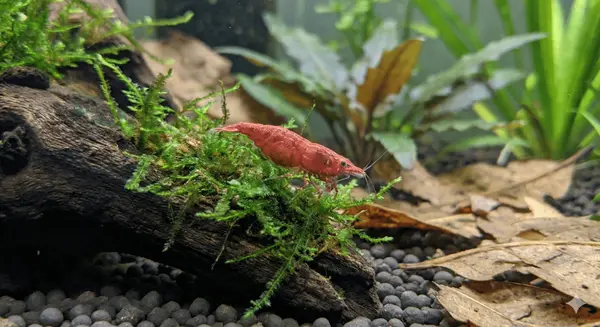
Neocaridina davidi (formerly classified as Neocaridina heteropoda) are the most popular freshwater aquarium shrimp in the hobby, and for good reason. Native to Taiwan and parts of China, these hardy little crustaceans have captured the hearts of aquarists worldwide with their vibrant colors, peaceful nature, and surprisingly easy care requirements.
If you’re looking to start your journey into shrimp keeping, Neocaridina are the perfect choice. Unlike their more demanding cousins, Caridina shrimp, Neocaridina are remarkably forgiving of beginner mistakes. They tolerate a wide range of water parameters, breed readily in freshwater without any special conditions, and come in virtually every color of the rainbow.
Why Neocaridina Are Perfect for Beginners
There are several reasons why experienced shrimp keepers unanimously recommend Neocaridina for newcomers:
- Hardy and adaptable: They tolerate parameter fluctuations that would stress or kill other shrimp species
- Tap water friendly: Most people can use dechlorinated tap water without expensive RO systems
- No special substrate needed: Unlike Caridina, they don’t require active buffering substrates
- Easy breeding: They reproduce readily, and babies are miniature adults that don’t need special care
- Affordable: Starting colonies cost a fraction of Caridina or Sulawesi species
- Colorful: Available in red, blue, yellow, orange, green, black, white, and countless pattern variations
What’s the Difference Between Neocaridina and Caridina?
This is one of the most important distinctions in shrimp keeping. While both are dwarf freshwater shrimp, they have fundamentally different requirements:
| Parameter | Neocaridina | Caridina |
|---|---|---|
| pH | 6.8-8.0 (neutral to alkaline) | 5.8-6.8 (acidic) |
| GH | 6-12 dGH | 4-6 dGH |
| KH | 2-8 dKH | 0-1 dKH |
| TDS | 150-300 ppm | 100-150 ppm |
| RO Water | Optional | Required |
| Active Substrate | Not needed | Required |
| Difficulty | Beginner | Intermediate-Advanced |
If you’re new to shrimp keeping, start with Neocaridina. Once you’ve mastered their care and want a new challenge, you can explore Caridina species or even Sulawesi shrimp.
All Neocaridina Varieties
One of the most exciting aspects of keeping Neocaridina is the incredible variety of colors and patterns available. All color variations are the same species (Neocaridina davidi) and share identical care requirements. The only difference is their appearance.
Important Warning: All Neocaridina varieties WILL interbreed if kept together. While they coexist peacefully, their offspring will gradually revert to wild-type brown or clear coloration over 2-3 generations. To maintain color purity, keep only one variety per tank.
Red Varieties
Cherry Shrimp (RCS)
Cherry Shrimp are the original and most popular Neocaridina variety. They range from pale pink to deep red depending on their grade:
| Grade | Description | Color Coverage |
|---|---|---|
| Cherry | Lightest, mostly clear with red spots | 20-30% |
| Sakura | More solid red, some translucency | 50-70% |
| Fire Red | Deep red with minimal translucency | 80-90% |
| Painted Fire Red | Solid opaque red, legs included | 95-100% |
Higher grades command higher prices but have the same care requirements. Sakura grade offers the best value for most hobbyists.
Bloody Mary
Bloody Mary shrimp display a stunning deep crimson coloration that comes from pigment in their tissue rather than their shell. This gives them a unique appearance compared to Cherry Shrimp. They originated from the Chocolate line and feature a slightly shorter rostrum (the spike between their eyes). Their color appears more “internal” and glowing compared to the shell-based color of Cherry Shrimp.
Blue Varieties
Blue Dream
Blue Dream shrimp are arguably the most striking blue variety, with deep sapphire coloration that’s completely opaque. They descended from Carbon Rili shrimp and display their best color on dark substrates. Blue Dreams are known for their consistent, intense blue color that doesn’t fade easily.
Blue Velvet
Blue Velvet shrimp have a lighter, translucent sky-blue appearance compared to Blue Dreams. They originated from the Red Rili line and are remarkably hardy, tolerating GH levels up to 20 dGH. This makes them an excellent choice for keepers with harder tap water.
Blue Jelly
Blue Jelly shrimp have a semi-transparent, ethereal blue appearance. Due to their genetics, they may occasionally show red spots from their ancestry. While some consider this a flaw, others appreciate the unique appearance it creates.
Yellow Varieties
Yellow Shrimp / Neon Yellow
Yellow Shrimp display bright sunshine yellow coloration. They originated in Germany in the early 2000s and have become popular for their vibrant appearance. The “Neon Yellow” variant is particularly intense. Some individuals develop a Golden Back variation with a distinctive dorsal stripe running along their back.
Orange Varieties
Orange Sakura
Orange Sakura shrimp range from translucent to solid orange. Some hobbyists report they’re slightly less hardy than other varieties, though this is debated. They’re less common than red or blue varieties but make a beautiful addition to any collection.
Green Varieties
Green Jade
Green Jade shrimp display emerald to olive green coloration that intensifies with age. They’re known for occasionally turning blue when stressed, which returns to green once conditions stabilize. Mature Green Jades with deep coloration are particularly stunning.
Brown and Black Varieties
Chocolate
Chocolate shrimp have a rich brown coloration and are genetically related to Bloody Mary and Black Rose varieties. They’re less common but appreciated for their unique earth-toned appearance.
Black Rose
Black Rose shrimp display deep velvety black coloration. They stand out beautifully on light-colored substrates, creating a dramatic contrast. Achieving and maintaining truly black coloration requires good genetics and optimal conditions.
White Varieties
Snowball / White Pearl
Snowball shrimp are technically a closely related species (Neocaridina zhangjiajiensis) but have identical care requirements. They’re named for their pure white eggs that look like tiny snowballs. Snowball shrimp are known for being extremely prolific breeders, often outpacing other Neocaridina varieties.
Rili Pattern Varieties
Rili shrimp have a distinctive pattern with colored head and tail sections separated by a clear or translucent midsection.
Red Rili
Red Rili shrimp were the original Rili pattern, featuring red coloration on the head and tail with a clear middle section. They’re the ancestors of many blue varieties through selective breeding.
Blue Rili
Blue Rili shrimp display blue or purple patches combined with clear sections. The exact pattern varies between individuals, making each one unique.
Carbon Rili
Carbon Rili shrimp have black or dark blue coloration with a clear midsection. They’re the ancestral variety to many blue Neocaridina, including Blue Dream. Carbon Rilis are prized for their striking contrast between dark and clear sections.
Water Parameters Explained
Understanding water parameters is the foundation of successful shrimp keeping. While Neocaridina are forgiving, maintaining proper parameters ensures healthy molts, vibrant colors, successful breeding, and long lifespans.
Why Parameters Matter
Improper parameters lead to:
- Failed molts (the leading cause of shrimp death)
- Reduced breeding or complete cessation
- Shortened lifespan
- Poor coloration
- Increased disease susceptibility
TDS (Total Dissolved Solids)
What it measures: The total concentration of dissolved minerals, salts, and organic matter in your water.
| TDS Range | Assessment |
|---|---|
| Below 100 ppm | Too low - soft shells, molting issues |
| 150-250 ppm | Optimal range |
| 250-350 ppm | Acceptable but on the high end |
| Above 350 ppm | Risk of osmotic stress |
TDS is important because shrimp regulate their internal salt and mineral balance relative to the surrounding water. Large TDS differences during water changes can cause osmotic shock, which is often the real culprit in “mysterious” post-water-change deaths.
How to adjust:
- To raise: Add remineralizer like Salty Shrimp GH/KH+
- To lower: Dilute with RO water or use RO water for water changes
For detailed information, see our TDS parameter guide.
GH (General Hardness)
What it measures: Calcium and magnesium concentration, essential for exoskeleton formation.
| GH Range | Assessment |
|---|---|
| Below 4 dGH | High risk of White Ring of Death |
| 4-6 dGH | Monitor closely |
| 6-12 dGH | Optimal range (ideal: 7-9 dGH) |
| Above 14 dGH | Shells may become too hard to molt properly |
GH is critical for Neocaridina. The calcium and magnesium in your water directly contribute to shell formation during molting. Low GH is the primary cause of the dreaded White Ring of Death.
How to adjust:
- To raise: Salty Shrimp GH/KH+, crushed coral, cuttlebone
- To lower: Dilute with RO water
For detailed information, see our GH parameter guide.
KH (Carbonate Hardness)
What it measures: Buffering capacity, which prevents pH crashes.
| KH Range | Assessment |
|---|---|
| Below 2 dKH | Risk of pH crashes |
| 2-8 dKH | Optimal range (ideal: 3-5 dKH) |
| Above 10 dKH | Generally unnecessary |
KH acts as a “buffer” that absorbs acids and prevents sudden pH drops. Without adequate KH, your pH can crash overnight, especially in heavily planted tanks or tanks with organic waste buildup.
Important: Unlike Caridina which need 0 KH, Neocaridina benefit from KH for pH stability.
For detailed information, see our KH parameter guide.
pH
What it measures: Acidity/alkalinity on a scale of 0-14.
| pH Range | Assessment |
|---|---|
| Below 6.5 | Too acidic for Neocaridina |
| 6.8-8.0 | Acceptable range |
| 7.0-7.5 | Optimal range |
| Above 8.5 | Too alkaline |
Critical principle: Stability matters more than hitting exact numbers. Shrimp adapt to consistent conditions better than fluctuating “ideal” parameters. A stable pH of 7.8 is better than a pH that swings between 6.8 and 7.4.
Unlike Caridina, Neocaridina do NOT need acidic conditions. They thrive in neutral to slightly alkaline water.
For detailed information, see our pH parameter guide.
Temperature
What it measures: Water temperature affecting metabolism, breeding, and oxygen levels.
| Temperature | Effects |
|---|---|
| 65-68F (18-20C) | Slower metabolism, larger size, more females |
| 70-76F (21-24C) | Optimal for breeding and health |
| 78-82F (26-28C) | Faster breeding but shorter lifespan |
| Above 84F (29C) | Stress, reduced breeding, oxygen concerns |
Temperature significantly affects shrimp behavior and health. Cooler temperatures slow metabolism, resulting in larger shrimp and potentially longer lifespans. Warmer temperatures accelerate breeding but can shorten lifespan.
Breeding tip: A small temperature drop during water changes (2-3 degrees) can trigger mating behavior.
For detailed information, see our temperature parameter guide.
Ammonia, Nitrite, and Nitrate
These nitrogen cycle parameters must be monitored, especially in newer tanks:
| Parameter | Target |
|---|---|
| Ammonia | 0 ppm (always) |
| Nitrite | 0 ppm (always) |
| Nitrate | Below 20 ppm (preferably below 10 ppm) |
Any detectable ammonia or nitrite indicates a cycling problem. Shrimp are very sensitive to these compounds, and even low levels cause stress, reduced immunity, and death.
Tank Setup Requirements
Tank Size
- Minimum: 5 gallons (19 liters)
- Recommended: 10+ gallons (38+ liters)
Larger tanks provide more stable parameters and are actually easier to maintain. Water quality fluctuates less, giving you more margin for error. A 10-gallon tank is ideal for beginners.
Substrate
For Neocaridina, use inert substrates that don’t alter water chemistry:
Recommended:
- Pool filter sand
- Eco-Complete
- Fluval Stratum (non-buffering version)
- Aquarium gravel
- Black diamond blasting sand
Not recommended for Neocaridina:
- Active/buffering substrates (ADA Amazonia, etc.) - unnecessary and can lower pH too much
- Substrates that raise GH/KH excessively
Dark substrates enhance shrimp coloration, while light substrates make shrimp appear washed out. For the most vibrant colors, choose black or dark brown substrate.
Filtration
Best choice: Sponge filters
Sponge filters are ideal for shrimp tanks because:
- No risk to baby shrimp (shrimplets can’t be sucked in)
- Provide excellent surface area for biofilm grazing
- Gentle water flow that doesn’t stress shrimp
- Reliable and affordable
If using hang-on-back (HOB) or canister filters, always cover the intake with a pre-filter sponge to protect baby shrimp.
Plants
Live plants are highly recommended for Neocaridina tanks:
Excellent choices:
- Java Moss: The gold standard for shrimp tanks. Provides hiding spots for babies and surfaces for biofilm growth
- Java Fern: Hardy, low-maintenance, doesn’t need planting
- Anubias: Another bulletproof option that provides grazing surfaces
- Floating plants (Frogbit, Salvinia, Red Root Floaters): Absorb excess nitrates and provide cover
- Marimo moss balls: Loved by shrimp for grazing
Plants provide hiding spots, additional grazing surfaces, and help maintain water quality by absorbing nitrates.
Lighting
Moderate lighting works best. Avoid intense lighting that promotes excessive algae growth. An 8-10 hour photoperiod mimics natural conditions and promotes healthy plant growth without causing problems.
Heater
A heater is needed if your room temperature drops below 68F (20C). Use an adjustable heater with a protective guard to prevent shrimp from burning themselves. Preset heaters can also work but offer less control.
Feeding and Diet
Natural Diet
In nature, Neocaridina are biofilm grazers. They constantly pick at surfaces, consuming:
- Bacteria colonies (biofilm)
- Algae
- Decaying plant matter
- Microorganisms
- Detritus
A well-established tank provides significant nutrition without supplemental feeding. This is why new tanks often have shrimp problems: there’s no biofilm yet.
Feeding Guidelines
Frequency: Every 2-3 days (NOT daily)
Amount: What they consume in 2-3 hours
Warning: Overfeeding is the #1 cause of water quality issues and deaths in shrimp tanks. Uneaten food decays, producing ammonia and fouling the water. When in doubt, feed less.
Recommended Foods
Commercial foods:
- Shrimp King Complete (excellent all-around staple)
- Hikari Shrimp Cuisine
- Bacter AE (biofilm booster, not technically food)
- Snowflake food (soybean shells that grow beneficial bacteria)
Blanched vegetables (boil for 2 minutes, then cool):
- Zucchini (most popular)
- Spinach
- Kale
- Cucumber
Protein sources (sparingly, once per week max):
- Blanched egg white
- Fish food pellets
- Dried shrimp/krill
Sample Feeding Schedule
| Day | Food |
|---|---|
| Monday | Shrimp King Complete (1-2 pellets per 10 shrimp) |
| Tuesday | Fast (no feeding) |
| Wednesday | Blanched zucchini slice |
| Thursday | Fast |
| Friday | Bacter AE (tiny amount) |
| Saturday | Fast |
| Sunday | Snowflake food or nothing |
Adjust based on your colony size and observe how quickly food disappears.
Calcium Supplementation
Add a small piece of cuttlebone to your tank. It slowly releases calcium, supporting healthy molts. Replace when it dissolves completely (usually every few weeks to months depending on your water chemistry).
Breeding Neocaridina
Why They’re Easy to Breed
Neocaridina are one of the easiest aquarium inhabitants to breed:
- Breed readily in freshwater (no brackish stage required)
- Females carry eggs until hatching
- Babies are miniature adults (no larval stage)
- Prolific: 20-30 eggs per clutch
- Sexual maturity at 2-3 months
If you have healthy shrimp in proper conditions, breeding will happen automatically.
Identifying Males vs Females
| Characteristic | Male | Female |
|---|---|---|
| Size | Smaller (0.75-1 inch) | Larger (1-1.5 inches) |
| Color intensity | Less intense | More colorful |
| Body shape | Straight belly | Curved belly (especially when berried) |
| Saddle | None | Visible (eggs in ovaries behind head) |
The “saddle” is a key identifier. Look for a yellowish or orange patch behind the head on mature females. This is eggs developing in her ovaries before fertilization.
The Breeding Process
-
Saddle develops: Unfertilized eggs become visible in the female’s ovaries (the saddle)
-
Pre-molt pheromones: Before molting, the female releases pheromones
-
Mating dance: Males detect pheromones and swim frantically around the tank searching for the female
-
Fertilization: After the female molts, mating occurs and eggs are fertilized
-
Berried female: The female carries fertilized eggs under her tail, constantly fanning them with her swimmerets
-
Hatching: After 21-30 days, fully-formed shrimplets emerge
Optimizing Breeding Success
- Maintain stable parameters within optimal ranges
- Temperature 72-76F encourages breeding
- Small temperature drops during water changes can trigger mating
- Occasional protein-rich foods support egg development
- Dense moss provides hiding spots for babies
- Shrimp-only tanks have highest survival rates
Baby Shrimp Survival
Shrimplets face several threats:
- Filter intake: The biggest killer of baby shrimp
- Predation: Fish and even adult shrimp may eat babies
- Starvation: Lack of biofilm in new tanks
To maximize survival:
- Use sponge filters (non-negotiable if breeding)
- Keep shrimp-only tanks
- Let biofilm develop before adding shrimp
- Add Bacter AE to boost biofilm
- Don’t clean obsessively - some mulm provides food
- Provide dense moss for hiding
Common Problems and Solutions
White Ring of Death
What it is: A white band around the shrimp’s midsection where the shell cracked completely around the body during molting, instead of just at the top where it should split.
Why it’s deadly: The shell breaks into two disconnected halves, trapping the shrimp and preventing escape from the old exoskeleton.
Causes:
- Low GH (primary cause)
- GH/KH imbalance
- Mineral deficiency in diet
- Large water changes forcing premature molts
Can shrimp survive? Possible but unlikely. Most die within 1-2 days.
Prevention:
- Maintain GH at 6-9 dGH
- Add cuttlebone for calcium
- Feed mineral-rich foods (blanched kale, spinach)
- Limit water changes to 10-20% weekly
For more details, see our White Ring of Death guide.
Shrimp Dying After Water Change
This is often blamed on “parameter shock” but the real culprit is usually TDS shock or chlorine/chloramine exposure.
Causes:
- Large TDS difference between tank and new water
- Temperature mismatch
- Chlorine or chloramine in untreated water
- Too large water changes (over 20%)
- Adding water too quickly
Solution:
- Maximum 20% water changes
- Match TDS and temperature exactly
- Always dechlorinate (Seachem Prime recommended)
- Drip new water slowly over 20-30 minutes
- Consider aging new water for 24-48 hours
For more details, see our water change deaths guide.
Shrimp Not Breeding
If your shrimp aren’t breeding after several months, consider:
Environmental factors:
- Parameters outside optimal range
- Tank too new (needs 2-3 months to mature)
- High nitrates (above 30 ppm)
- Insufficient hiding spots
Population factors:
- All same sex (need both males and females)
- Too few shrimp (breeding increases with colony size)
- Stress from tankmates
Solutions:
- Verify parameters are optimal
- Ensure tank is mature with biofilm
- Add more shrimp (ideally 10+ to ensure both sexes)
- Remove stressful tankmates
For more details, see our breeding problems guide.
Failed Molts
Symptoms: Shrimp struggling to escape old shell, partially molted shrimp, deaths with old shell attached.
Causes:
- GH too low or too high
- Large parameter swings
- Temperature fluctuations
- Mineral deficiency
Solutions:
- Test and correct GH (target 6-9 dGH)
- Ensure stable parameters
- Add cuttlebone
- Don’t remove molted shells (shrimp eat them for minerals)
For more details, see our molting problems guide.
Color Loss
Causes:
- Stress from poor conditions
- Inadequate diet
- Light substrate (shrimp often pale on light colors)
- Interbreeding with wild-type genetics
- Natural variation (some shrimp are just less colorful)
Solutions:
- Ensure stable, optimal parameters
- Feed varied, high-quality diet
- Use dark substrate
- Cull less colorful individuals if maintaining a breeding line
For more details, see our color loss guide.
Frequently Asked Questions
See the FAQ section in the sidebar for the 8 most common questions about Neocaridina care.
Track Your Parameters with ShrimpKeeper
Stop guessing about your water parameters. The ShrimpKeepersapp was designed specifically for dwarf shrimp enthusiasts like you.
Features built for Neocaridina keepers:
- Species-specific parameter ranges that tell you if your values are optimal
- Instant diagnostics that identify potential problems before they become disasters
- Historical graphs to spot trends and prevent issues
- Remineralization calculator for perfect water every time
- Berried female countdown timer so you don’t miss hatching day
Whether you’re just starting with Cherry Shrimp or managing multiple color colonies, ShrimpKeepershelps you maintain the stable conditions Neocaridina need to thrive.
Download ShrimpKeeper and take the guesswork out of shrimp keeping.
Related Guides
Ready to expand your shrimp keeping journey? Check out these related guides:
-
Caridina Shrimp Care Guide: Learn about Crystal Red Shrimp, Taiwan Bee varieties, and the different requirements for these beautiful but demanding species.
-
Sulawesi Shrimp Care Guide: Discover the exotic Cardinal Shrimp and other ancient lake species with their unique high-pH, high-temperature requirements.
This guide synthesizes information from scientific literature, manufacturer specifications, and experienced hobbyist communities including Aquarium Breeder, The Shrimp Farm, Flip Aquatics, and r/shrimptank. Water parameters have been verified across multiple authoritative sources.
Frequently Asked Questions
Yes but carefully. Safe tankmates include Otocinclus, small Corydoras, Ember Tetras, Chili Rasboras, and snails. Avoid Bettas (hit or miss), large fish, and cichlids. Best results come from shrimp-only tanks.
They coexist peacefully but WILL interbreed. Offspring revert to wild-type brown/clear after 2-3 generations. Keep one variety per tank for color purity.
Usually no. If your tap water has TDS 150-350, GH 6-15, KH 2-10, pH 7.0-8.0, no copper/heavy metals, dechlorinated tap water works fine.
The general rule is 10 shrimp per gallon for established tanks. Start with 10-20 in a 10-gallon tank and let them breed.
Sexual maturity occurs at 2-3 months. First berried female typically appears within 1-2 months of adding mature shrimp. Gestation takes 21-30 days.
Common causes include stress, poor diet, light substrate (try dark), and interbreeding. Ensure stable parameters and a varied diet.
Risky for beginners. CO2 causes pH swings which stress shrimp. If using CO2, monitor pH closely and ensure adequate surface agitation.
Minimum 4-6 weeks with an ammonia source. Ideally wait 2-3 months for biofilm to develop.
Track Your Parameters with ShrimpKeeper
Stop guessing. Start tracking. Our app gives you species-specific parameter ranges, instant diagnostics, and historical graphs.