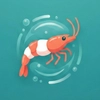
About Fire Red Shrimp
Fire Red Shrimp represent the highest color grade of Neocaridina davidi, achieved through years of selective breeding from the original Cherry Shrimp. Where low-grade Cherry Shrimp show translucent areas with scattered red patches, Fire Red Shrimp display solid, opaque red coloration covering their entire body. The ultimate expression of this is the Painted Fire Red (PFR) grade, where even the legs are completely solid red. The grading system for red Neocaridina davidi runs from lowest to highest: Cherry (mostly translucent with red patches) -> Sakura (more red coverage, some translucency) -> Fire Red (solid red, minimal translucency) -> Painted Fire Red (completely opaque red, solid legs). Fire Red and PFR represent the upper end of this spectrum and command higher prices due to the selective breeding required to achieve and maintain this level of coloration. Despite their premium appearance, Fire Red Shrimp have the same hardy characteristics as lower-grade Cherry Shrimp. They tolerate the same wide range of water parameters and are equally easy to keep. The main difference is in maintaining their color quality - without selective breeding (removing lower-grade offspring from the breeding pool), a Fire Red colony can regress toward lower grades over generations. For hobbyists who want stunning red coloration without the effort of culling, simply enjoying a mixed-grade colony is perfectly valid.
Quick Facts
Water Parameters for Fire Red Shrimp
Maintaining stable water parameters is crucial for the health and coloration of Fire Red Shrimp. As a Neocaridina species, they are relatively hardy and can tolerate a wider range of parameters than Caridina species.
| Parameter | Range | Optimal |
|---|---|---|
| TDS | 150-300 ppm | 180-250 ppm |
| GH | 4-14 dGH | 6-8 dGH |
| KH | 2-8 dKH | 2-5 dKH |
| pH | 6.5-8 | 6.8-7.5 |
| Temperature | 64-82°F (18-28°C) | 68-75°F |
Tank Setup for Fire Red Shrimp
- Minimum 5 gallon tank recommended
- Black or dark substrate creates the most striking contrast
- Dense green plants complement their red coloration beautifully
- Good lighting showcases their vibrant red
- Sponge filter is ideal for shrimp safety
Care Tips for Fire Red Shrimp
- Keep in groups of at least 10 for natural behavior
- Maintain stable water parameters for best coloration
- Dark substrate makes their red coloration pop dramatically
- Provide plenty of plants, moss, and hiding spots
- Feed color-enhancing foods with astaxanthin
- Avoid copper-based medications
- Small weekly water changes of 10-15% are recommended
Feeding Fire Red Shrimp
- Feed high-quality shrimp foods 2-3 times weekly
- Foods with astaxanthin significantly enhance red coloration
- Biofilm should be primary food source
- Blanched vegetables high in carotenoids help maintain color
- Remove uneaten food within 2-3 hours
Breeding Fire Red Shrimp
- Offspring color intensity varies - selective breeding maintains quality
- Without culling, color quality may decrease over generations
- Females carry dark red eggs for approximately 30 days
- Shrimplets are fully independent at birth
- Cross only with equal or higher grade reds to maintain line quality
Fire Red Shrimp Grading System
Fire Red Shrimp are commonly graded based on color intensity, coverage, and pattern quality. Higher grades typically command higher prices and are the result of selective breeding.
Fire Red
Solid red coloration throughout body with minimal to no translucent areas.
Characteristics
- Solid red throughout body
- No or minimal translucent patches
- Legs show red coloring
- Bright, vibrant red color
Painted Fire Red (PFR)
The highest grade with completely opaque, deep red coloring. Even the legs are solid red with no transparency.
Characteristics
- Completely opaque coloring
- Deep, rich red throughout
- Solid red legs
- No translucent areas anywhere
Grades listed from lowest to highest quality
Common Problems with Fire Red Shrimp
- Color can regress without selective breeding
- Lower grade offspring are normal and expected
- Diet significantly affects color expression
- Stress can temporarily reduce color intensity
- Higher price means more impactful losses if deaths occur
Troubleshooting Fire Red Shrimp
Neocaridina are hardy but still sensitive to sudden parameter changes. Here are common problems to watch for:
Failed Molt: Shrimp Stuck in Shell
Understanding failed molts where shrimp cannot escape their old exoskeleton. Learn why it happens, why affected shrimp cannot be saved, and how to prevent future molt failures.
Why Are My Shrimp Dying?
Comprehensive triage guide for unexplained shrimp deaths. Learn to identify the cause and take immediate action to save your remaining colony.
White Ring of Death in Shrimp
Understanding the dreaded white ring or white line that appears around a shrimp's body, signaling a fatal molting problem that cannot be reversed once visible.
Baby Shrimp (Shrimplets) Dying
Why newborn shrimp disappear or die when adult shrimp seem healthy. Covers filter intake, predation, starvation, and sensitivity issues specific to shrimplets.
Bacterial Infection in Shrimp
Identifying and treating bacterial infections in aquarium shrimp. Learn to recognize symptoms and understand why prevention through water quality is more effective than treatment.
Planaria in Shrimp Tank
Identifying and eliminating planaria flatworms that prey on shrimp, especially shrimplets. Learn safe treatment methods that won't harm your colony.
Fire Red Shrimp FAQ
Fire Red Shrimp have solid red coloration with minimal translucency. Painted Fire Red is the next level - completely opaque red with absolutely no transparent areas, including fully solid red legs. PFR represents the highest grade of red Neocaridina.
Yes, they're the same species (Neocaridina davidi) - Fire Red is simply a higher grade. The grading runs from Cherry (lowest, most translucent) through Sakura, Fire Red, to Painted Fire Red (highest, completely opaque). It's all selective breeding for color intensity.
Without selective breeding, a colony naturally regresses toward lower grades over time. This is because lower-grade genes remain in the population. To maintain Fire Red quality, you need to remove (cull) lower-grade offspring from the breeding pool.
No - culling is optional and only necessary if you want to maintain high-grade coloration. Many hobbyists enjoy mixed-grade colonies with a range of colors from pale cherry to fire red. The choice depends on your goals.
Color is primarily genetic, but you can optimize expression by: feeding foods high in astaxanthin/carotenoids, using dark substrate for visual contrast, maintaining stable stress-free conditions, and selectively breeding your reddest individuals.
No, they have identical care requirements. Fire Red Shrimp are just as hardy as low-grade Cherry Shrimp - the only difference is their coloration and the breeding effort required to maintain it.
Foods containing astaxanthin are most effective for red color enhancement. This includes commercial color-enhancing shrimp foods, spirulina, and blanched vegetables like carrots and red peppers. Natural biofilm also contributes to good coloration.
Track Your Fire Red Shrimp Parameters
Stop guessing. Start tracking. ShrimpKeeper gives you species-specific parameter ranges, instant diagnostics, and historical graphs for your Fire Red Shrimp colony.