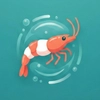
About Red Line Shrimp
Red Line shrimp, also called Peppermint or Candy Cane shrimp for their striped appearance, are among the most difficult and expensive Sulawesi species available. Their striking pattern of red lines running along the body creates an immediately recognizable appearance, but achieving success with these extremely sensitive shrimp requires expert-level skills and dedication. These expert-only shrimp are on par with Harlequins in terms of difficulty. They demand perfect water parameters, extremely mature tanks with abundant biofilm, and conditions that most aquarists cannot consistently provide. Even experienced Sulawesi keepers report frequent losses with Red Lines. The species simply does not adapt well to captive conditions, and sustained breeding success stories are essentially nonexistent in the hobby. Despite - or perhaps because of - their difficulty, Red Line shrimp command premium prices and are highly sought after by collectors. Their rarity, both in terms of availability and successful keeping, makes them status symbols among advanced shrimp hobbyists. However, prospective keepers should understand that attempting Red Lines means accepting probable failure. These are shrimp for those who have mastered Cardinals, succeeded with other Matano species, and are willing to invest in an extremely challenging species that may not survive long-term.
Quick Facts
Water Parameters for Red Line Shrimp
Maintaining stable water parameters is crucial for the health and coloration of Red Line Shrimp. Sulawesi shrimp have unique requirements with higher pH and temperature needs compared to other dwarf shrimp.
| Parameter | Range | Optimal |
|---|---|---|
| TDS | 60-120 ppm | 70-100 ppm |
| GH | 4-7 dGH | 5-6 dGH |
| KH | 2-5 dKH | 3-4 dKH |
| pH | 7.8-8.5 | 8-8.4 |
| Temperature | 81-86°F (27-30°C) | 82-84°F |
Tank Setup for Red Line Shrimp
- Extremely mature tank - minimum 6 months, ideally longer
- Abundant biofilm on all surfaces - non-negotiable
- Inert substrates only (lava rock, coral, limestone)
- Perfect parameter stability required
- No shortcuts - maturity and stability are everything
- Consider seeding with biofilm from established Sulawesi tanks
Care Tips for Red Line Shrimp
- EXPERT ONLY - among the most difficult Sulawesi species
- Extremely strict parameter requirements - no tolerance for variation
- HIGH pH essential (8.0-8.4) with rock-solid stability
- Temperature must be maintained precisely (82-84F)
- RO water with Sulawesi minerals - parameters must be perfect
- Only attempt after success with Cardinals and other Sulawesi
- Extremely mature tank (6+ months minimum) required
- Very slow acclimation essential (6+ hours drip recommended)
Feeding Red Line Shrimp
- Biofilm is absolutely critical food source
- Cannot survive without abundant mature biofilm
- Extremely sparse supplemental feeding if any
- Pristine water quality essential
- Strong lighting for biofilm development
Breeding Red Line Shrimp
- Breeding success is EXTREMELY rare
- Very small clutches (5-15 eggs) if breeding occurs
- Most specimens are wild-caught
- Sustained breeding colonies are essentially unknown
- Do not expect breeding success
Red Line Shrimp Grading System
Red Line Shrimp are commonly graded based on color intensity, coverage, and pattern quality. Higher grades typically command higher prices and are the result of selective breeding.
Standard Red Line
Visible red line pattern. Lines may be subtle or somewhat broken.
Characteristics
- Red lines present
- Pattern visible
- May have variation
- Good health indicators
High Grade Red Line
Clear, well-defined red lines with good intensity and pattern clarity.
Characteristics
- Well-defined lines
- Good intensity
- Clear pattern
- Strong appearance
Premium Red Line
Maximum red intensity with perfect line definition. Exceptional show-quality specimens.
Characteristics
- Maximum intensity
- Perfect lines
- Show quality
- Rare specimens
Grades listed from lowest to highest quality
Common Problems with Red Line Shrimp
- Deaths from parameter instability - most common issue
- Starvation from insufficient biofilm
- Acclimation failures - very sensitive to change
- Short captive lifespans even in good conditions
- Breeding failure is nearly universal
- High mortality rates regardless of keeper experience
Troubleshooting Red Line Shrimp
Sulawesi shrimp are very sensitive and require pristine, stable conditions. Here are common problems to watch for:
Failed Molt: Shrimp Stuck in Shell
Understanding failed molts where shrimp cannot escape their old exoskeleton. Learn why it happens, why affected shrimp cannot be saved, and how to prevent future molt failures.
Why Are My Shrimp Dying?
Comprehensive triage guide for unexplained shrimp deaths. Learn to identify the cause and take immediate action to save your remaining colony.
White Ring of Death in Shrimp
Understanding the dreaded white ring or white line that appears around a shrimp's body, signaling a fatal molting problem that cannot be reversed once visible.
Baby Shrimp (Shrimplets) Dying
Why newborn shrimp disappear or die when adult shrimp seem healthy. Covers filter intake, predation, starvation, and sensitivity issues specific to shrimplets.
Bacterial Infection in Shrimp
Identifying and treating bacterial infections in aquarium shrimp. Learn to recognize symptoms and understand why prevention through water quality is more effective than treatment.
Planaria in Shrimp Tank
Identifying and eliminating planaria flatworms that prey on shrimp, especially shrimplets. Learn safe treatment methods that won't harm your colony.
Red Line Shrimp FAQ
Red Lines are extremely sensitive to parameter fluctuations and don't adapt well to captivity. They require perfect water conditions (pH 8.0+, temp 82-84F, pristine quality) and extremely mature tanks with abundant biofilm. Even experienced keepers report frequent failures.
Successful sustained breeding is essentially unknown. While females may become berried occasionally, shrimplet survival is extremely poor. Most Red Lines in the hobby are wild-caught. Do not attempt this species expecting to breed them.
Only if you've already succeeded with Cardinals, other Matano species, and have years of Sulawesi experience. Even then, understand that failure is the likely outcome. These are expert-only shrimp for collectors willing to accept probable losses.
Multiple factors: they're wild-caught from Sulawesi, extremely difficult to keep and transport, cannot be bred commercially, have high mortality rates, and are in demand among collectors. Prices of $50-200+ per shrimp are common.
No! Sulawesi Red Line (Peppermint) shrimp are freshwater Caridina species requiring high pH freshwater conditions. Marine Peppermint shrimp are completely different saltwater species. The 'peppermint' nickname just refers to the striped pattern.
They're comparable - both are expert-only, both have extremely low survival rates, and both rarely breed in captivity. Harlequins are obligate sponge dwellers while Red Lines are simply extremely sensitive. Both are among the hardest shrimp to keep.
Unfortunately, losses are common even among experts. Analyze what may have gone wrong (parameter stability, tank maturity, biofilm availability), but understand that even perfect care may not be enough. Consider gaining more experience with easier Sulawesi before trying again.
Track Your Red Line Shrimp Parameters
Stop guessing. Start tracking. ShrimpKeeper gives you species-specific parameter ranges, instant diagnostics, and historical graphs for your Red Line Shrimp colony.